CN
-
Service Hotline
15766086363


Release Date:Dec 26, 2025
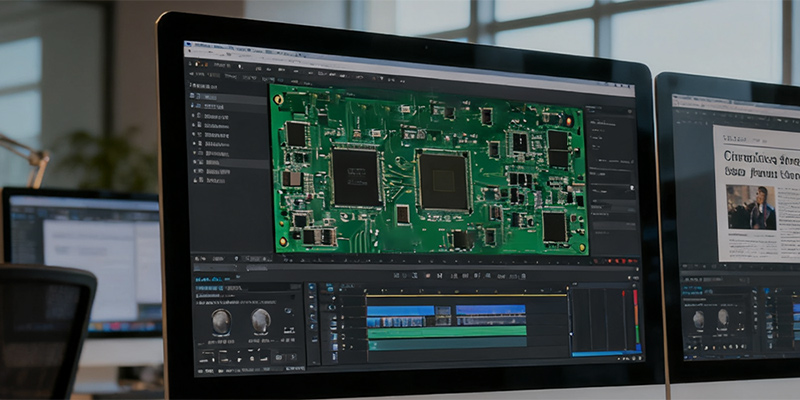
PCBA clone improvement differs from optimization in that it focuses on enhancing the cloned PCBA’s capabilities beyond the original’s performance, rather than just refining existing attributes. This process is driven by evolving industry needs, such as higher speed, increased durability, or expanded connectivity. The improvement process begins with defining specific enhancement goals—for example, upgrading a cloned industrial PCBA to support 5G connectivity for real-time data transmission, or increasing its operating temperature range to withstand harsh environments. To achieve these goals, technicians may integrate advanced components: replacing traditional resistors with high-precision models for better signal accuracy, or adding protective coatings to the PCB to resist moisture and corrosion. The design may also be modified—for instance, increasing trace width to handle higher current, or adding extra layers to the PCB to accommodate more components without increasing size. Rigorous testing is essential to validate improvements: stress testing to ensure the PCBA withstands extreme conditions, performance testing to confirm enhanced capabilities (e.g., faster data processing), and compatibility testing to ensure it still works with the original system’s software and hardware. Improvement is particularly valuable for legacy systems, where cloning with enhancements can extend the system’s lifespan and functionality without requiring a complete redesign. As with all cloning processes, legal checks are necessary to ensure improvements do not infringe on new or existing intellectual property rights.

Email: 1330695973@qq.com
Factory: Room 703, Kelunte R&D Building, No. 1 Ganli 5th Road, Jihua Street, Longgang District, Shenzhen City