CN
-
Service Hotline
15766086363


Release Date:Jan 22, 2026
Electronics reverse engineering service is a professional offering that helps businesses and individuals dissect, analyze, and reconstruct electronic devices or components—covering everything from small PCBs to complex systems (e.g., medical devices, automotive control units). This service is tailored to address specific needs, such as replicating obsolete parts, understanding competitor designs, or troubleshooting unrepairable devices, and typically includes end-to-end support from analysis to validation.
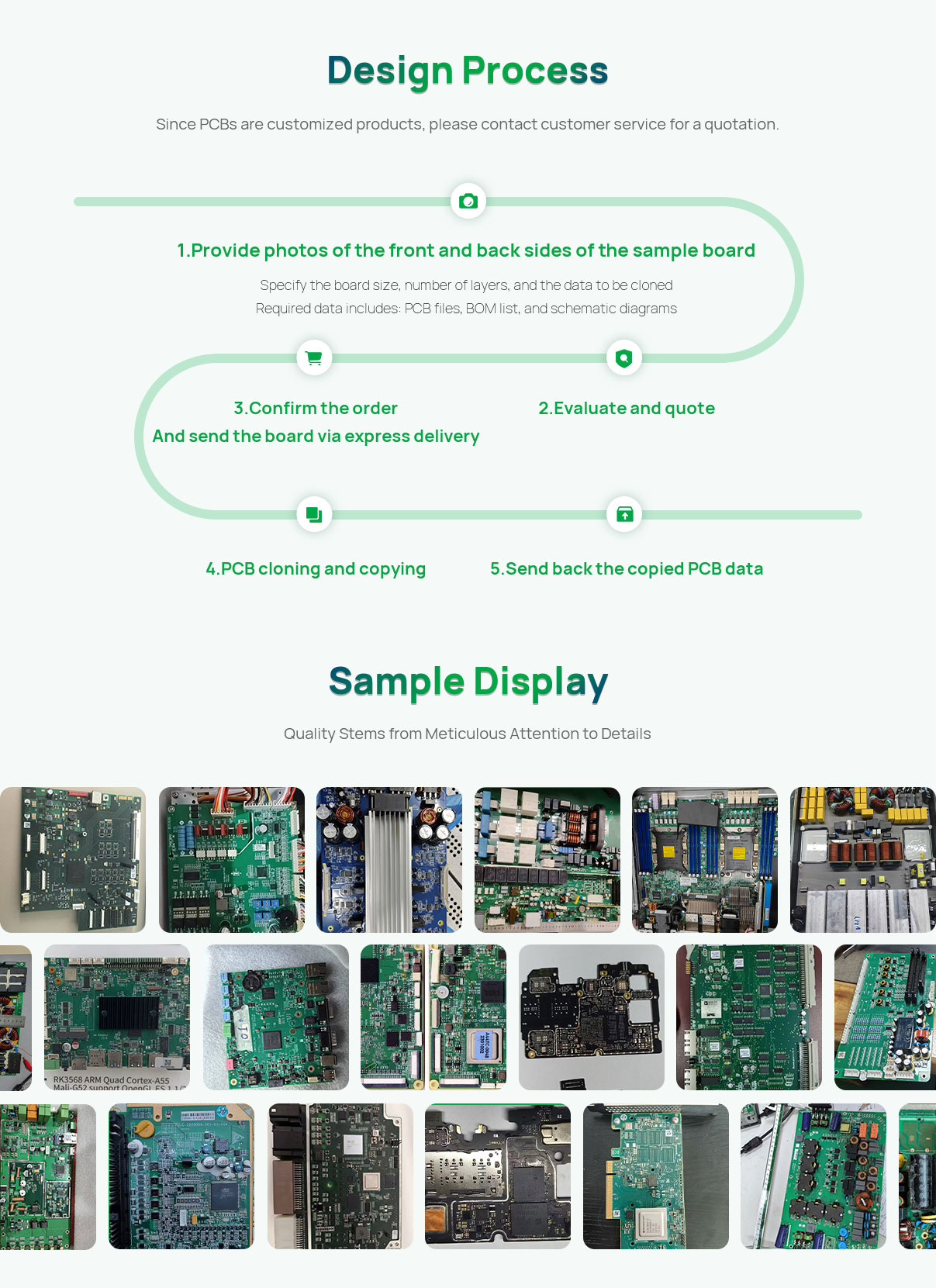
The service starts with project scoping: experts collaborate with clients to define goals (e.g., “reverse-engineer a legacy industrial sensor PCB to enable production”) and assess feasibility—evaluating factors like component availability, encryption (e.g., locked firmware), and intellectual property compliance. Next, physical and electrical analysis is conducted: technicians disassemble the device (using specialized tools to avoid component damage), image PCBs via X-rays or microscopes, and test circuits to map signal paths and component functions.
For embedded systems (e.g., devices with microcontrollers), the service includes firmware extraction and analysis—using tools like JTAG debuggers to copy code, then decompiling (where legally permitted) to understand software logic. Component sourcing is also offered: if parts are obsolete, service providers identify validated equivalents and test their compatibility with the original design.
The final deliverable includes a comprehensive design package: digital schematics, BOMs (bills of materials), layout files, and test reports. Many services also offer prototype fabrication and functional testing to ensure the reverse-engineered design matches the original’s performance. Additional support, such as regulatory compliance checks (e.g., RoHS, FCC) or reengineering (optimizing the design for cost or performance), may also be included. Electronics reverse engineering service is a valuable resource for organizations lacking in-house technical expertise, as it reduces project risk and accelerates access to critical design data.

Email: 1330695973@qq.com
Factory: Room 703, Kelunte R&D Building, No. 1 Ganli 5th Road, Jihua Street, Longgang District, Shenzhen City