CN
-
Service Hotline
15766086363


Release Date:Dec 26, 2025
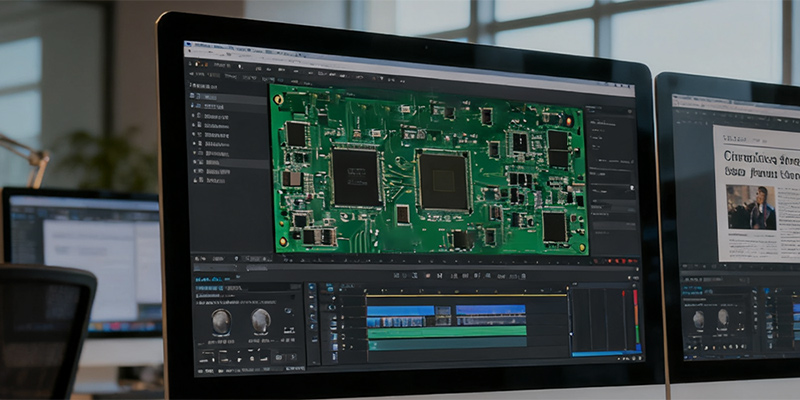
PCBA clone optimization involves refining the cloned PCBA’s design, components, or manufacturing process to enhance performance, reduce costs, or improve reliability—without altering its core functionality to maintain compatibility with the original system. The optimization process starts with a thorough analysis of the master cloned PCBA’s performance data, identifying areas for improvement such as excessive power consumption, thermal inefficiencies, or reliance on obsolete components. For example, if the original cloned PCBA uses a discontinued microcontroller, optimization may involve substituting it with a compatible, current-model chip that offers better power efficiency. Another common focus is thermal management: technicians may adjust component placement (e.g., moving heat-generating ICs away from sensitive parts) or add heat sinks to prevent overheating. Cost optimization can include sourcing alternative components from reliable suppliers at lower prices, or simplifying the PCB layout (e.g., reducing trace length) to lower manufacturing costs. Additionally, the manufacturing process itself can be optimized—for instance, switching to faster SMT equipment or optimizing solder paste application to reduce production time. All optimizations must undergo rigorous testing to ensure they do not disrupt the PCBA’s compatibility with the original system. For example, a power consumption optimization should not affect the PCBA’s ability to interface with original software or peripherals. The goal is to create a “better than original” cloned PCBA that retains functionality while addressing flaws or inefficiencies in the original design.

Email: 1330695973@qq.com
Factory: Room 703, Kelunte R&D Building, No. 1 Ganli 5th Road, Jihua Street, Longgang District, Shenzhen City