CN
-
Service Hotline
15766086363


Release Date:Dec 26, 2025
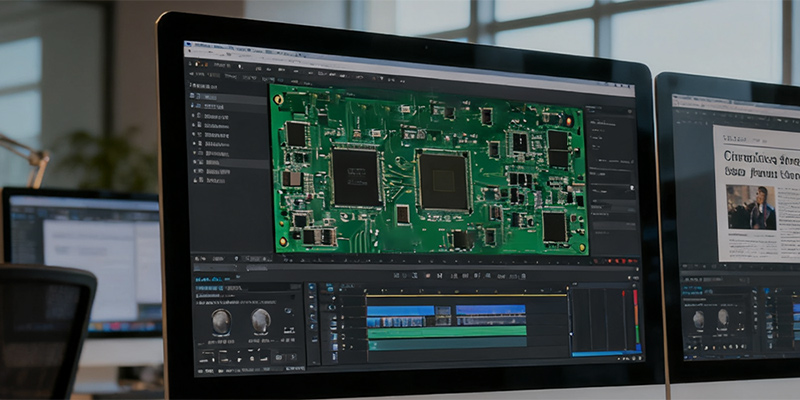
PCBA clone duplication refers to the systematic process of creating multiple identical copies of a cloned PCBA, ensuring consistency in functionality, performance, and physical attributes across all units. Unlike single-clone creation, duplication focuses on scaling production while maintaining strict adherence to the original cloned PCBA’s specifications. The process begins with validating the master cloned PCBA—this involves comprehensive testing to confirm it matches the original PCBA’s electrical characteristics, component interactions, and operational performance. Once validated, the master’s design files (Gerber files, BOM, and schematic) are finalized and optimized for mass production. Key steps include sourcing components in bulk to ensure uniformity—preferably from authorized distributors to avoid counterfeit parts that could compromise quality. The PCB manufacturing stage uses automated assembly lines, such as surface-mount technology (SMT) machines, to place components with high precision, reducing human error. Each duplicated PCBA undergoes in-line testing, including automated optical inspection (AOI) to check for solder defects, and functional testing to verify performance. Statistical process control (SPC) is often implemented to monitor production parameters (e.g., soldering temperature, component placement accuracy) and address deviations in real time. This process is critical for industries like consumer electronics or automotive, where multiple identical PCBs are needed for product assembly. Legal compliance remains paramount—duplication must only occur for PCBs where the original cloning was legally authorized, to avoid infringing on intellectual property rights.

Email: 1330695973@qq.com
Factory: Room 703, Kelunte R&D Building, No. 1 Ganli 5th Road, Jihua Street, Longgang District, Shenzhen City