CN
-
Service Hotline
15766086363


Release Date:Mar 17, 2026
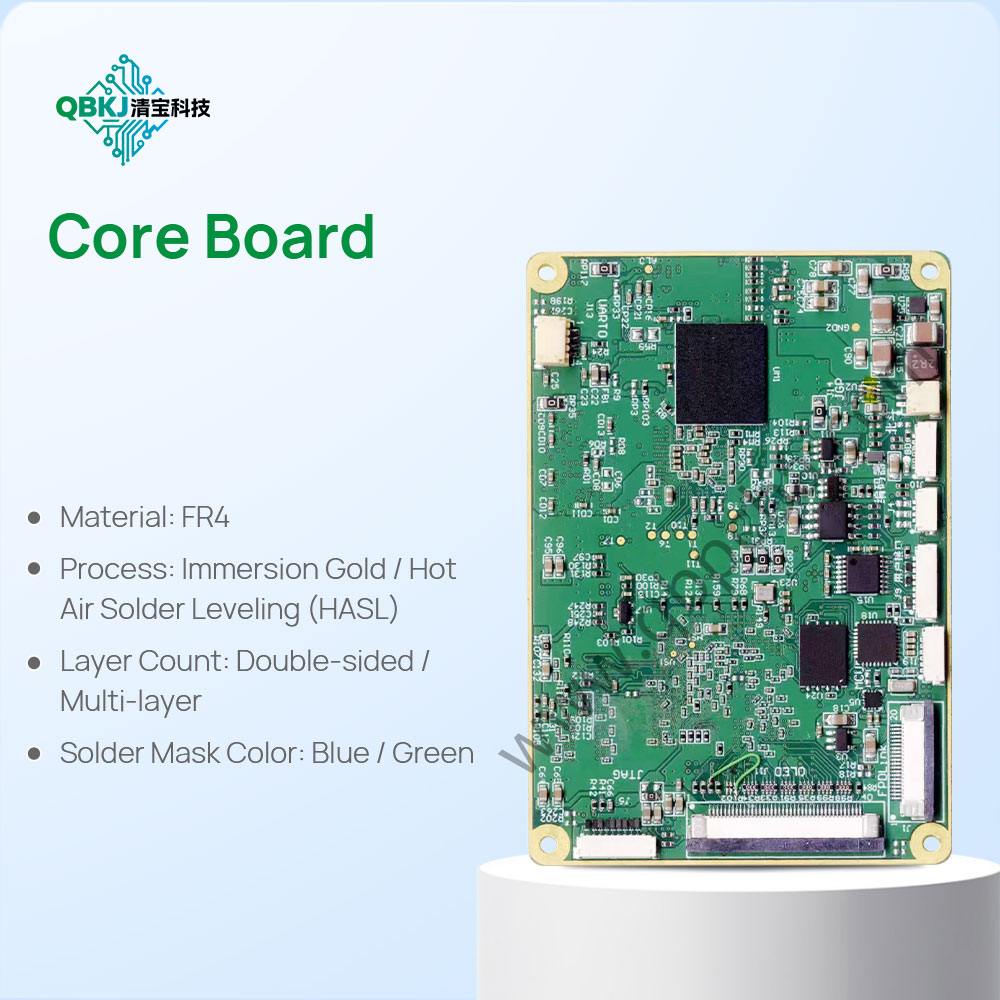
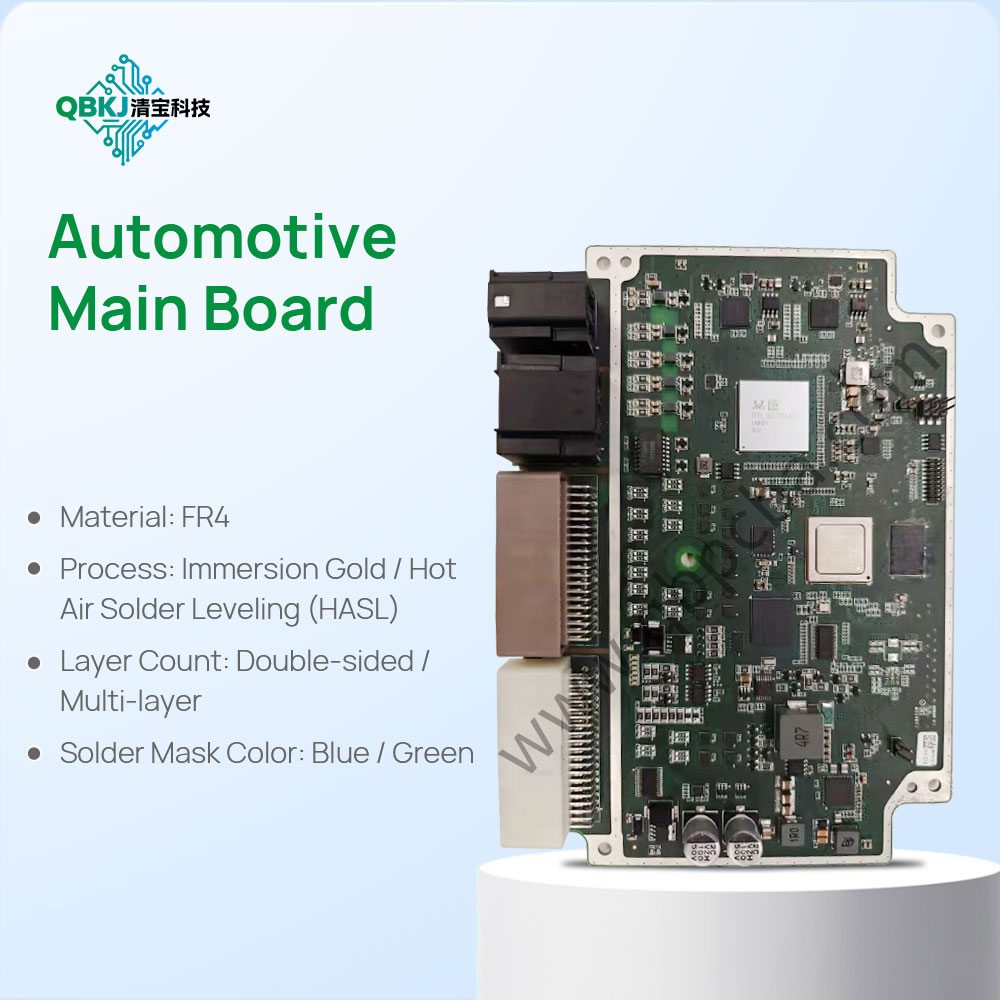
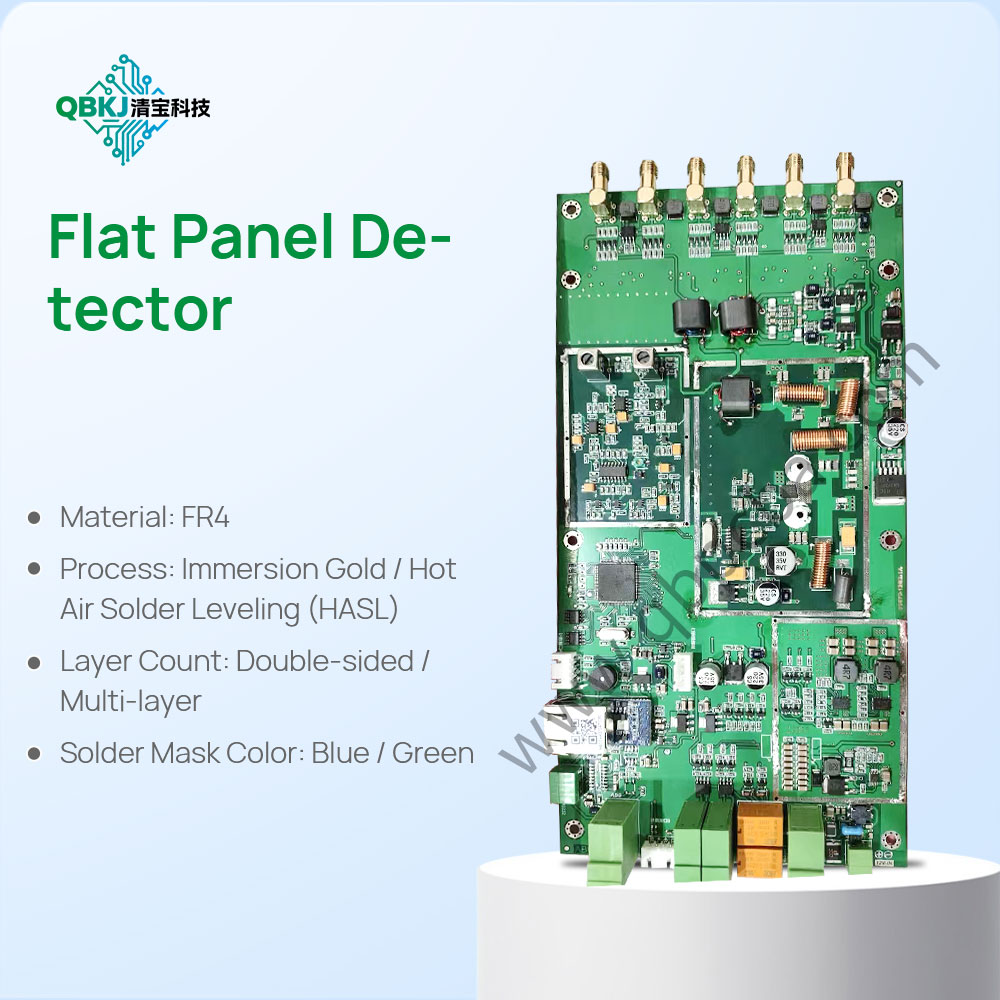
PCB copy quality control is a systematic process designed to maintain precision and consistency throughout the PCB cloning workflow, ensuring the copied board matches the original in every physical and electrical aspect. The process starts with data acquisition verification, where the scanned or reverse-engineered Gerber files—containing details like trace widths, pad sizes, and hole diameters—are compared to the original PCB using specialized software. This step checks for errors in data extraction, such as missing traces or incorrect layer alignments, which could compromise the board’s functionality.
Material inspection is another key component: the substrate material (e.g., FR-4), copper thickness, and solder mask type must match the original to ensure identical electrical properties, heat resistance, and mechanical strength. Dimensional accuracy testing uses coordinate measuring machines (CMMs) or optical comparators to verify that critical features—like hole positions, trace widths, and board dimensions—adhere to the original’s specifications within tight tolerances (often ±0.1mm or less). Electrical performance testing includes impedance testing to ensure signal integrity, as mismatched impedance can cause signal distortion or loss.
Additionally, surface finish inspection checks for defects like uneven plating, oxidation, or scratches, which can affect solderability and long-term reliability. Throughout the process, quality control teams implement statistical process control (SPC) to monitor production variables and prevent defects before they occur. Regular audits of suppliers and production processes further ensure that PCB copy quality remains consistent and meets industry standards.

Email: 15361682656@163.com
Factory: Room 703, Kelunte R&D Building, No. 1 Ganli 5th Road, Jihua Street, Longgang District, Shenzhen City