CN
-
Service Hotline
15766086363


Release Date:Mar 17, 2026
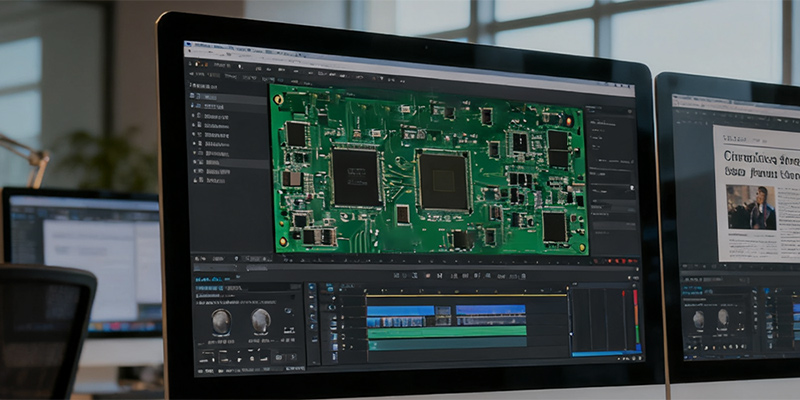
PCBA copy inspection is a comprehensive evaluation that covers both the physical assembly and electrical functionality of the cloned printed circuit board assembly, ensuring it replicates the original’s performance and reliability. The inspection process begins with a detailed visual examination of the PCBA’s physical structure. Inspectors check for correct component placement—verifying that each part is mounted in the right location, orientation (e.g., polarity of diodes or capacitors), and height (to avoid interference with other components or enclosures). They also examine solder joints for quality, looking for defects such as voids, cold joints, solder balls, or excess solder, which can lead to electrical failures or mechanical instability.
Component identification is another critical step: each component’s part number, manufacturer, and batch code are cross-referenced with the original BOM to confirm authenticity and compliance with specifications. This prevents the use of counterfeit or substitute components that may have different electrical characteristics. Electrical inspection includes continuity testing to ensure all traces and connections are intact, and isolation testing to check for unintended short circuits between different voltage domains. Functional testing is then performed, where the PCBA is connected to relevant peripherals or test equipment to simulate real-world operation. This tests key functions like power regulation, data processing, communication protocols (e.g., USB, Ethernet), and sensor input/output, ensuring the cloned PCBA performs identically to the original.
Environmental stress testing, such as thermal shock or humidity testing, may also be conducted to assess the PCBA’s durability under extreme conditions. All inspection results are documented in a detailed report, highlighting any deviations from the original and outlining corrective actions to bring the cloned PCBA into compliance. This rigorous inspection process is essential to deliver a high-quality, reliable PCBA copy that meets the end user’s requirements.

Email: 15361682656@163.com
Factory: Room 703, Kelunte R&D Building, No. 1 Ganli 5th Road, Jihua Street, Longgang District, Shenzhen City