CN
-
Service Hotline
15766086363


Release Date:Mar 04, 2026
PCB Circuit Duplication is the process of creating an identical physical replica of a PCB’s circuit layout—focused on reproducing the electrical connections (traces, vias, pads) and physical features (mounting holes, solder mask) of the original board, without modifying its design. Unlike reverse engineering (which generates editable design files), duplication prioritizes producing a functional, one-to-one copy, making it suitable for replacing damaged or obsolete PCBs in devices where performance consistency is critical (e.g., industrial machinery, aerospace components).
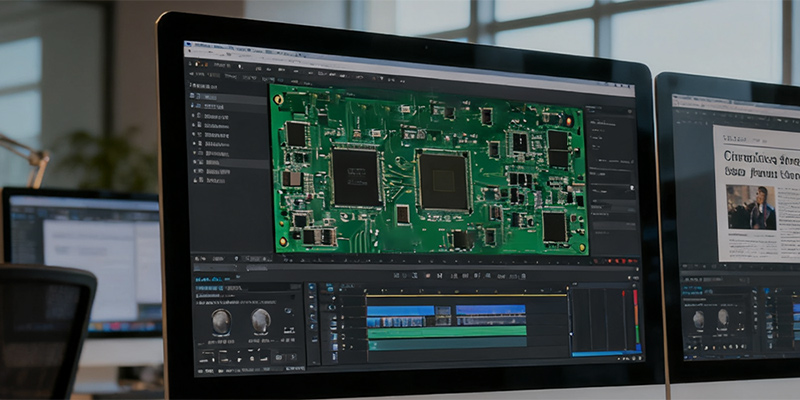
The workflow starts with Original PCB Assessment: Technicians inspect the original PCB for damage (e.g., scratched traces, broken vias) and document its physical attributes (layer count, dimensions, solder mask color) to ensure the duplicate matches. High-resolution images of the top and bottom layers are captured using specialized cameras with macro lenses to resolve fine trace details (down to 0.1mm width).
For multi-layer PCBs, Layer Separation is required: Chemical etching (using mild acids to remove outer copper layers sequentially) or X-ray tomography (non-destructive layer visualization) is used to expose and image inner layers, ensuring all trace paths are captured. Each layer’s image is aligned using registration marks (e.g., mounting holes) to maintain trace continuity across layers.
Next is Circuit Replication: The layered images are imported into PCB design software (e.g., Altium, KiCad), where traces, pads, and vias are redrawn to match the original’s dimensions—with tolerances as tight as ±0.05mm. Gerber files (for fabrication) and drill files (for vias/mounting holes) are generated from the replicated design, with material specifications (e.g., FR-4 substrate, 1oz copper thickness) matched to the original.
Finally, Duplication Validation: A prototype duplicate PCB is fabricated and tested—continuity checks verify no open/short circuits, while impedance testing confirms electrical performance matches the original. If valid, bulk duplication proceeds. Challenges include replicating fine-pitch traces (in high-density PCBs) and matching the original’s dielectric material properties (critical for signal integrity in high-frequency circuits). Legal compliance (ensuring no patent infringement) is a mandatory precursor to duplication.

Email: 15361682656@163.com
Factory: Room 703, Kelunte R&D Building, No. 1 Ganli 5th Road, Jihua Street, Longgang District, Shenzhen City