CN
-
Service Hotline
15766086363


Release Date:Jan 15, 2026
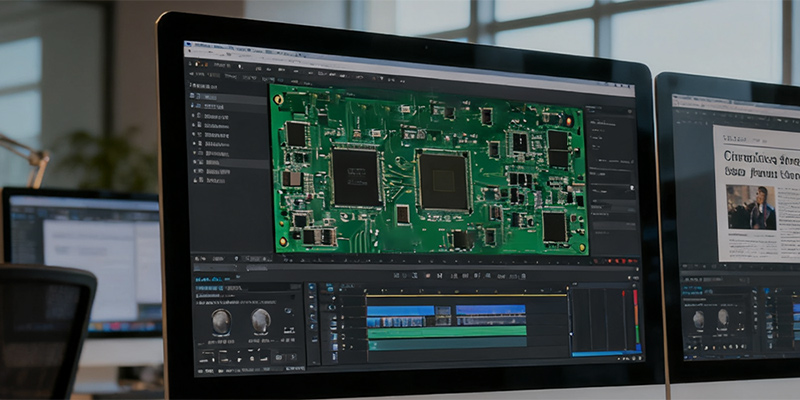
PCBA clone support encompasses the technical, logistical, and post-cloning assistance provided to clients throughout the cloning journey—ensuring a smooth process from initial inquiry to long-term use. This support starts with pre-cloning consultation: experts assess the client’s needs (e.g., replacing a legacy board, scaling production) and evaluate the original PCB’s condition (age, component availability, complexity) to outline feasibility, timelines, and potential challenges (e.g., obsolete parts, firmware extraction hurdles).
During cloning, support includes real-time updates: clients receive progress reports on analysis, component sourcing, and prototype fabrication, with opportunities to address adjustments (e.g., substituting a hard-to-find resistor with a validated equivalent). Technical support teams also assist with firmware-related issues—such as troubleshooting code extraction errors or verifying firmware compatibility with the cloned hardware.
Post-cloning support is equally critical: it includes debugging assistance for any functional discrepancies (e.g., a cloned control board failing to communicate with sensors) and rework services for defective units. Many providers also offer long-term maintenance support, such as sourcing components for future clones, updating cloned boards to meet new regulations (e.g., RoHS 3 compliance), or modifying designs for enhanced performance (e.g., adding a new communication port to a control board).
Additionally, support often includes documentation: clients receive detailed files like reconstructed schematics, BOMs (bill of materials), test reports, and assembly guides—essential for in-house maintenance or future modifications. For clients new to cloning, training sessions may be provided to help teams understand the cloned board’s functionality and integration with existing systems. PCBA clone support transforms a technical process into a client-centric experience, reducing risk and ensuring long-term value.

Email: 1330695973@qq.com
Factory: Room 703, Kelunte R&D Building, No. 1 Ganli 5th Road, Jihua Street, Longgang District, Shenzhen City