CN
-
Service Hotline
15766086363


Release Date:Jan 15, 2026
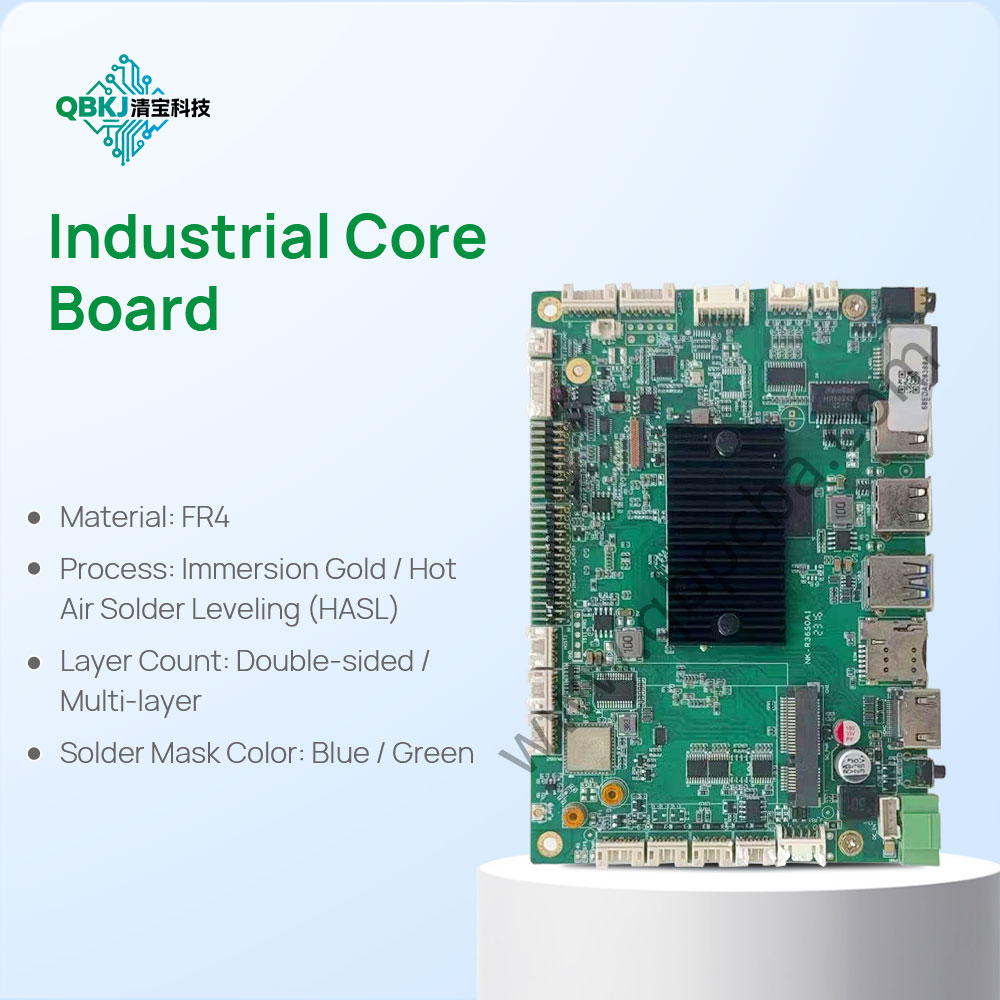
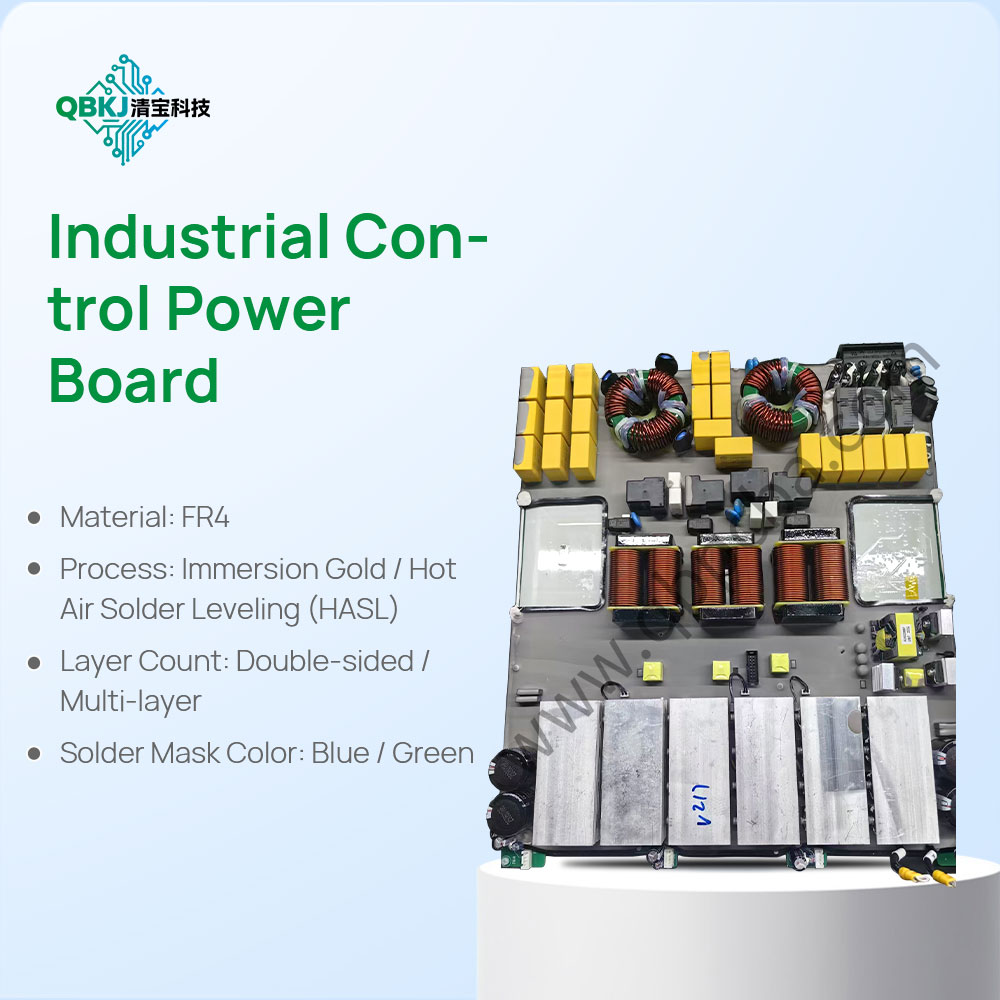
PCBA clone for control boards focuses on replicating printed circuit board assemblies that govern the operation of machinery, equipment, or systems—such as motor control boards, PLC (Programmable Logic Controller) boards, or industrial automation control panels. These boards are critical for regulating processes (e.g., speed, pressure, temperature) in sectors like manufacturing, automotive, and aerospace, so cloning must prioritize functional precision and compatibility with existing hardware/software.
The cloning process begins with a deep dive into the original control board’s architecture: experts identify core components like microcontrollers (e.g., Arduino-based chips for simple controls, Siemens S7 chips for industrial PLCs), motor drivers (e.g., L298N for DC motors), and feedback sensors (e.g., encoders, pressure transducers). They also analyze firmware—critical for control logic—using tools to extract and verify code integrity, ensuring the cloned board executes the same operational sequences (e.g., starting/stopping a conveyor belt, adjusting a valve).
Fabrication emphasizes durability and signal stability: control boards often operate in harsh environments (vibration, temperature fluctuations), so cloned PCBs use rugged substrates (e.g., high-grade FR-4) and reinforced solder joints. Trace routing is replicated exactly to maintain timing accuracy—even minor delays in signal transmission can disrupt control loops (e.g., causing a motor to overshoot its target speed). Components like terminal blocks for wiring connections are positioned identically to ensure compatibility with existing cables and enclosures.
Testing is rigorous and application-specific: cloned boards undergo functional testing (e.g., simulating motor speed adjustments, verifying PLC ladder logic execution) and environmental testing (vibration per IEC 60068-2-6, temperature cycling). Compatibility checks confirm the cloned board works with upstream/downstream systems (e.g., communicating with a factory’s SCADA software). Ultimately, PCBA clone for control boards delivers reliable replacements that keep critical machinery operational, avoiding costly downtime from obsolete or faulty original boards.

Email: 1330695973@qq.com
Factory: Room 703, Kelunte R&D Building, No. 1 Ganli 5th Road, Jihua Street, Longgang District, Shenzhen City