CN
-
Service Hotline
15766086363


Release Date:Mar 02, 2026
Reverse Engineering for Prototyping leverages reverse engineering to accelerate the development of prototypes by extracting design data from existing physical PCBs/PCBAs—enabling engineers to modify, optimize, or adapt proven designs instead of starting from scratch. Unlike traditional prototyping (which relies on original design files), this approach uses reversed data to reduce development time, minimize risks of design flaws, and ensure compatibility with existing systems.
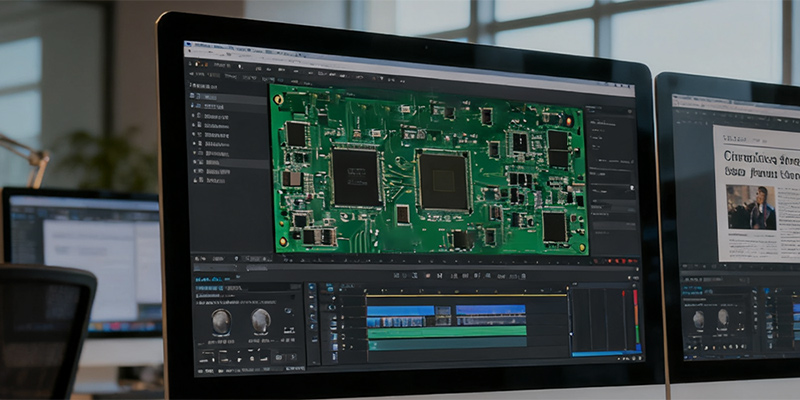
The process starts with Target Design Selection: Engineers choose a reference PCB/PCBA with desired features (e.g., a high-speed data interface, low-power consumption) to reverse engineer. Next, Data Extraction: Using 3D scanners, circuit tracers, and X-ray tomography, technicians extract key design details—including schematics, layer stackups, component footprints, and trace widths. This data is converted into editable CAD files (e.g., Altium, KiCad) to serve as the prototype’s base.
Then, Design Modification: Engineers modify the reversed design to meet prototype goals—for example, adding a new sensor interface, replacing a bulky component with a miniaturized alternative, or optimizing trace routing for better signal integrity. Simulation tools (e.g., SPICE for circuit behavior, thermal analysis software) are used to test modifications and identify potential issues before prototyping.
Next, Prototype Fabrication: The modified design is used to fabricate a prototype PCB, with components sourced from a validated BOM. Assembly follows standard SMT or through-hole processes, with careful attention to solder joint quality and component orientation. Finally, Prototype Testing: The prototype undergoes rigorous testing (e.g., functional testing, environmental stress testing) to validate performance against goals. Adjustments are made to the reversed design based on test results, with multiple iterations until the prototype meets requirements. This approach is widely used in industries like consumer electronics (for rapid product iterations) and automotive (for testing new features in existing platforms). Challenges include ensuring modifications do not compromise the original design’s reliability and integrating new components with reversed footprints, requiring expertise in both reverse engineering and prototype development.

Email: 15361682656@163.com
Factory: Room 703, Kelunte R&D Building, No. 1 Ganli 5th Road, Jihua Street, Longgang District, Shenzhen City