CN
-
Service Hotline
15766086363


Release Date:Mar 02, 2026
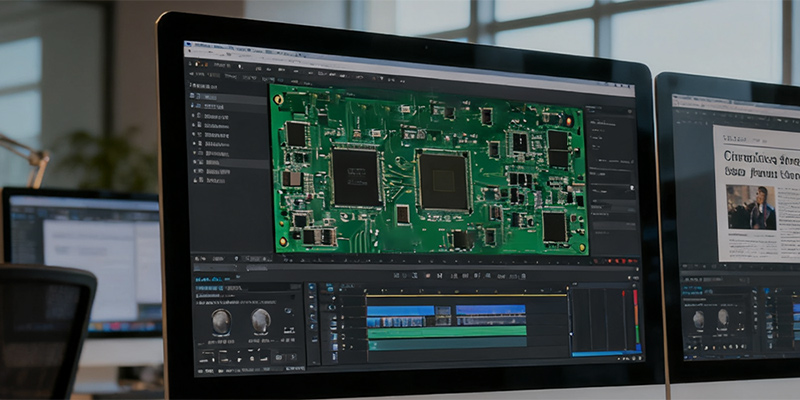
Reverse Engineering with BOM Creation is a specialized process that combines extracting design data from a physical PCB/PCBA with building a comprehensive, accurate Bill of Materials (BOM)—a detailed list of all components, their specifications, and suppliers. Unlike basic reverse engineering (which may only generate schematics), this use case prioritizes creating a actionable BOM to support sourcing, procurement, or production, making it critical for replication, repair, or redesign projects.
The process begins with Component Documentation: Technicians meticulously document every component on the PCB/PCBA, including part numbers, manufacturers, values (e.g., resistor ohms, capacitor capacitance), package types (e.g., 0402, QFP), and orientations. High-resolution cameras and microscopes are used to capture small or faded labels, while component testers verify electrical specifications (e.g., diode forward voltage, inductor inductance) to confirm accuracy.
Next is BOM Structuring: The documented data is organized into a standardized BOM format, including columns for part description, quantity, datasheet links, supplier information (e.g., Digikey, Mouser part numbers), and obsolescence status. For obsolete components, reverse engineering helps identify cross-references or equivalents by matching form, fit, and function.
Then, BOM Validation: The BOM is cross-checked against the reversed schematic and physical PCB/PCBA to ensure no components are missing or misidentified. This may involve verifying component footprints against the PCB layout or confirming part compatibility with the circuit’s electrical requirements. Finally, Supplier Sourcing: The validated BOM is used to source components, with experts negotiating pricing and lead times for bulk orders. This process is vital for scaling production, reducing procurement errors, and ensuring consistency across projects. Challenges include dealing with counterfeit components (requiring supplier vetting) and updating the BOM as parts become obsolete, requiring ongoing maintenance.

Email: 15361682656@163.com
Factory: Room 703, Kelunte R&D Building, No. 1 Ganli 5th Road, Jihua Street, Longgang District, Shenzhen City