CN
-
Service Hotline
15766086363


Release Date:Mar 05, 2026
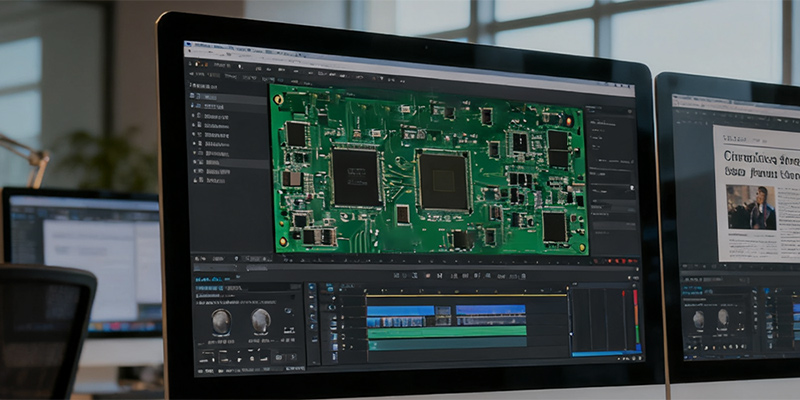
Reverse Engineering for Innovation leverages the analysis of existing products, components, or systems to uncover underlying design principles, performance bottlenecks, or unmet user needs—ultimately driving the development of new, improved solutions. Unlike reverse engineering for replication (which focuses on copying existing designs), this application uses extracted insights to spark creativity, optimize functionality, or disrupt existing markets, making it a critical tool for R&D teams in industries like consumer electronics, automotive, and medical devices.
The workflow begins with Target Selection: Teams identify a reference product (e.g., a competitor’s wireless earbud, a legacy industrial sensor) that aligns with innovation goals—such as improving battery life, reducing size, or enhancing usability. Next is Comprehensive Teardown & Analysis: The product is disassembled to analyze its hardware (PCBAs, components), software (firmware, user interfaces), and mechanical design (enclosures, ergonomics). Advanced tools like 3D scanners capture mechanical details, while circuit tracers and firmware analyzers (e.g., Ghidra) decode electrical and software logic.
Key to this process is Insight Extraction: Engineers identify design tradeoffs (e.g., a sensor’s accuracy vs. power consumption), unaddressed flaws (e.g., a bulky battery compartment limiting portability), or emerging technologies (e.g., a new chipset enabling faster processing). These insights are then translated into innovation roadmaps—for example, using a reference earbud’s wireless protocol analysis to develop a low-latency version for gamers, or reimagining a sensor’s PCB layout to integrate energy-harvesting technology.
Finally, Concept Development & Prototyping: The insights are used to design a new product that addresses identified gaps. Prototypes are built, tested, and refined based on user feedback, with reverse-engineered data ensuring compatibility with existing ecosystems (e.g., using a reference’s charging standard to maintain user familiarity). Challenges include avoiding patent infringement (requiring IP analysis early in the process) and balancing innovation with technical feasibility. This approach has fueled breakthroughs like smaller, more efficient smartphones (by analyzing component miniaturization trends) and wearable health monitors (by optimizing sensor integration from legacy medical devices).

Email: 15361682656@163.com
Factory: Room 703, Kelunte R&D Building, No. 1 Ganli 5th Road, Jihua Street, Longgang District, Shenzhen City