CN
-
Service Hotline
15766086363


Release Date:Mar 13, 2026
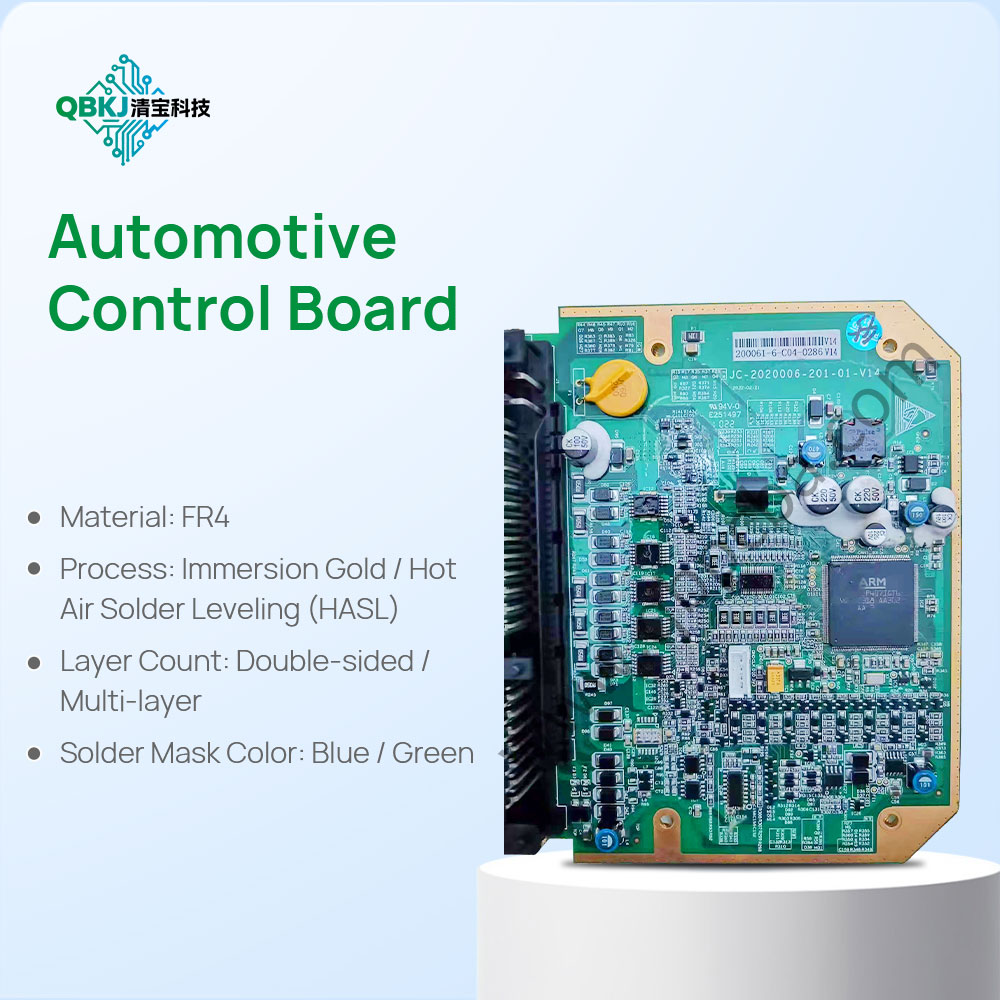
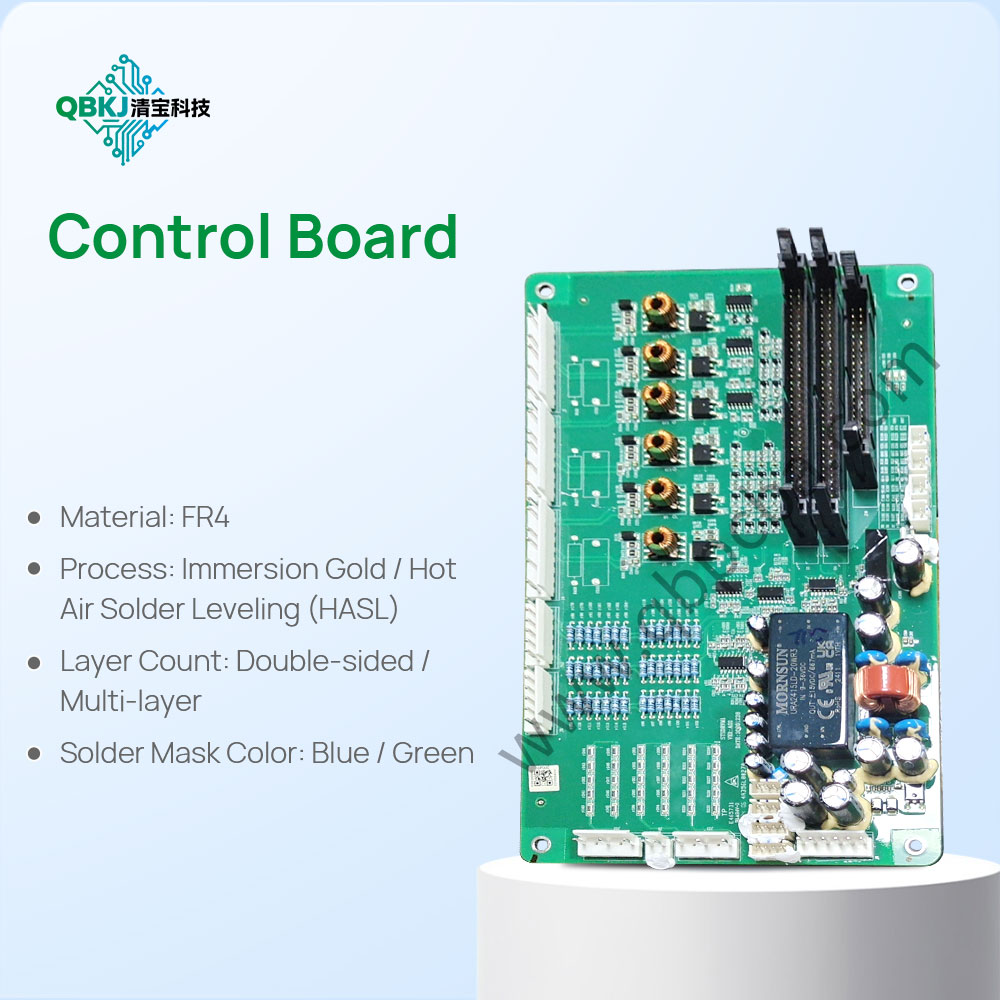
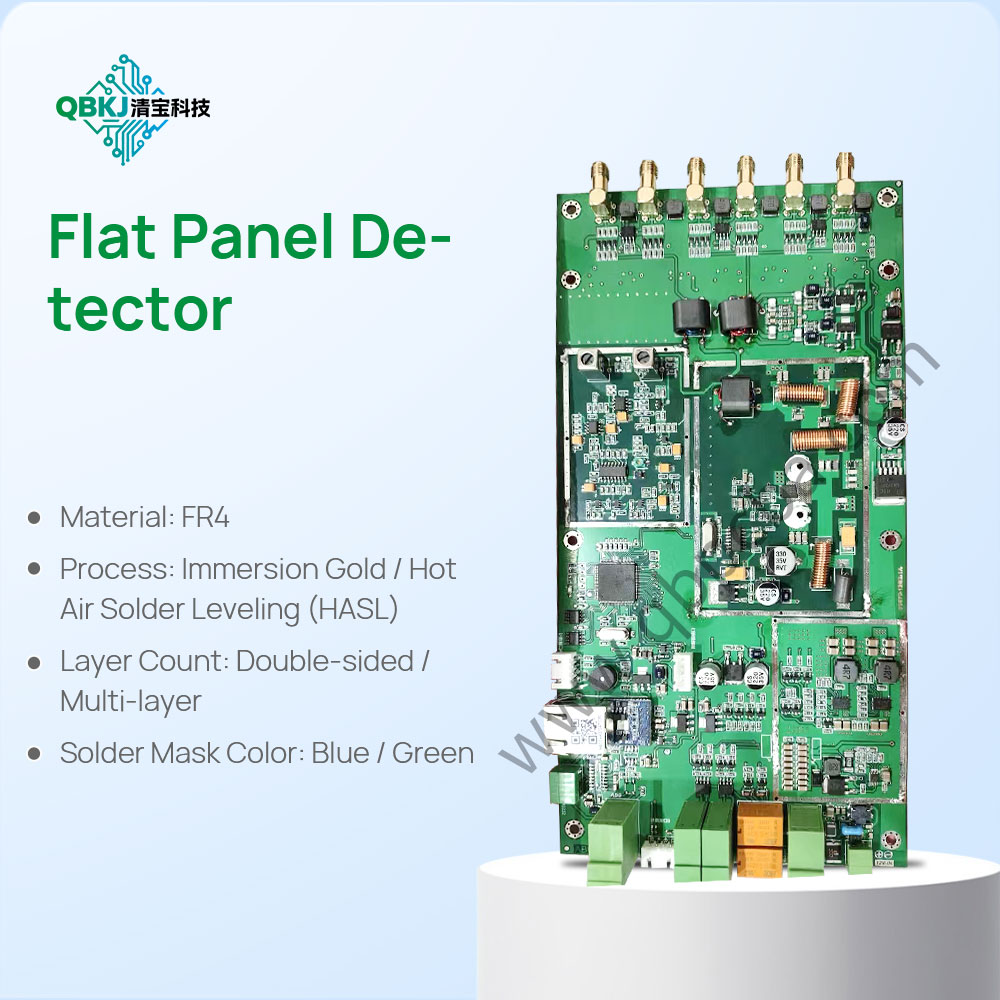
PCBA Mass Production is the large-scale manufacturing of Printed Circuit Board Assemblies (PCBAs) using standardized processes, automated equipment, and quality control systems—optimized for efficiency, cost reduction, and consistency across thousands to millions of units. Unlike prototype or small-batch production (focused on flexibility), this process prioritizes repeatability and scalability, making it essential for consumer electronics (smartphones, wearables), automotive components (ECUs, sensors), and IoT devices where high volumes and low unit costs are critical.
The process begins with Production Planning & Tooling: Based on validated PCB design files (Gerber, BOM) and assembly requirements, production lines are configured—SMT machines are programmed with component placement data, stencils are fabricated for solder paste application (with aperture sizes matched to component pads), and test fixtures are built for in-line quality checks. For high-volume runs, dedicated assembly lines are set up to minimize changeover time between batches.
PCB fabrication is scaled via High-Volume Bare Board Production: PCBs are manufactured in large batches using automated lines—substrate cutting, copper lamination, and etching are optimized for speed (e.g., continuous web processing for flexible PCBs). Quality control includes statistical process control (SPC) to monitor trace width, via position, and surface finish consistency, with defective boards automatically sorted out.
Component sourcing is optimized for Volume & Cost: Components are procured in bulk from authorized distributors or direct from manufacturers, with long-term supply agreements to ensure price stability and availability. Incoming components undergo AQL (Acceptable Quality Level) sampling—e.g., testing 1% of resistors for tolerance compliance—to prevent defective parts from entering production.
Assembly is fully automated: SMT Line Integration: PCBs are loaded onto conveyors and passed through a sequence of machines—solder paste printers (applying precise paste volumes), pick-and-place machines (placing up to 100,000 components per hour), and reflow ovens (with temperature profiles optimized for component types). Through-hole components are soldered via wave soldering machines (for high volumes) or selective soldering (for complex assemblies).
Quality control is rigorous and continuous: In-Line & End-of-Line Testing: After assembly, PCBAs undergo AOI (for component misplacement/solder defects), ICT (In-Circuit Testing) to verify electrical connections, and functional testing (applying real-world inputs to confirm performance). For automotive or medical applications, additional tests include thermal cycling (-40°C to 125°C) and vibration testing. Defective units are analyzed via root-cause analysis to prevent recurrence.
Finally, Packaging & Logistics: PCBAs are packaged in anti-static trays or reels (for automated handling in final product assembly) and labeled with batch numbers for traceability. Logistics are optimized to deliver batches just-in-time (JIT) to final assembly facilities. Challenges include managing supply chain risks (e.g., component shortages) and maintaining consistency across large batches (e.g., solder paste aging). This process delivers high-quality, low-cost PCBAs at scale.

Email: 15361682656@163.com
Factory: Room 703, Kelunte R&D Building, No. 1 Ganli 5th Road, Jihua Street, Longgang District, Shenzhen City