CN
-
Service Hotline
15766086363


Release Date:Mar 12, 2026
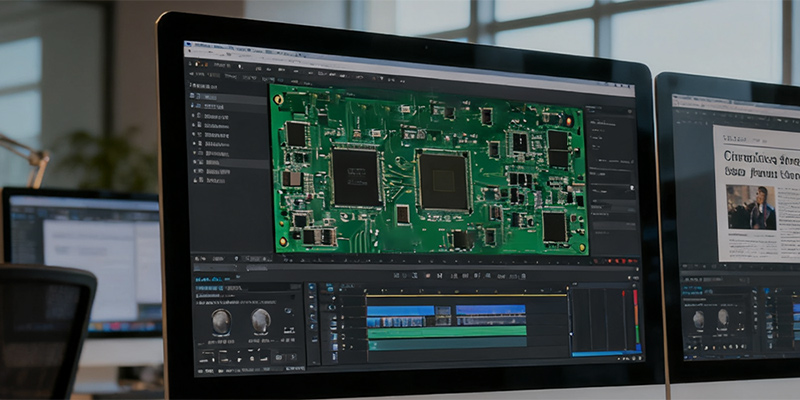
PCBA Clone Production is the specialized process of creating exact functional replicas (clones) of a target PCBA—emphasizing not just physical similarity but also identical electrical performance, component behavior, and long-term reliability. Unlike PCBA copy manufacturing (which may allow minor component substitutions), cloning prioritizes 1:1 replication, making it critical for applications where even small deviations (e.g., component tolerance differences) could cause system failures (aerospace, industrial control systems).
The process begins with Comprehensive Original PCBA Analysis: Technicians use advanced tools to document every detail: 3D laser scanners capture component placement with micron-level precision, thermal imagers record heat distribution (to match later), and logic analyzers map digital signal paths (I2C/SPI communication). A “golden sample” of the original PCBA is designated for ongoing comparison.
Next is Component-Level Cloning: Each component is meticulously documented—part number, manufacturer, date code, and even batch number (when possible). Authorized distributors are sourced for exact matches; for obsolete components, only NOS (New Old Stock) parts are used to ensure identical performance. Components are tested in isolation (e.g., microcontroller firmware is read and verified to match the original) and in-circuit (to confirm interaction with adjacent parts).
PCB cloning proceeds with Exact Bare Board Replication: The original PCB’s design is reverse engineered with strict adherence to material matching—substrate type (e.g., FR-4 with specific dielectric constant), copper thickness (1oz/2oz), and surface finish (ENIG with exact nickel/gold plating thickness). Fabrication uses the same manufacturing parameters as the original (e.g., etching speed, drill depth) to ensure trace impedance and via conductivity match.
Assembly is done with Precision Control: SMT placement machines are calibrated using the golden sample’s 3D data to ensure component alignment within ±0.01mm. Solder paste is sourced from the same manufacturer as the original, and reflow profiles are replicated (temperature ramps, hold times) to create identical solder joints. Manual soldering (for through-hole parts) is done by certified technicians trained on the original’s assembly standards.
Finally, Rigorous Validation: Cloned PCBAs are tested against the golden sample—electrical performance (power consumption, signal integrity), thermal behavior (heat maps), and environmental resilience (vibration, temperature cycling) are compared. Any deviations (e.g., 5% higher power draw) result in rework. Challenges include replicating proprietary components (e.g., custom ASICs) and matching aging-related performance (e.g., for 10-year-old PCBAs). This process delivers clones that are functionally indistinguishable from the original.

Email: 15361682656@163.com
Factory: Room 703, Kelunte R&D Building, No. 1 Ganli 5th Road, Jihua Street, Longgang District, Shenzhen City