CN
-
Service Hotline
15766086363


Release Date:Jan 26, 2026
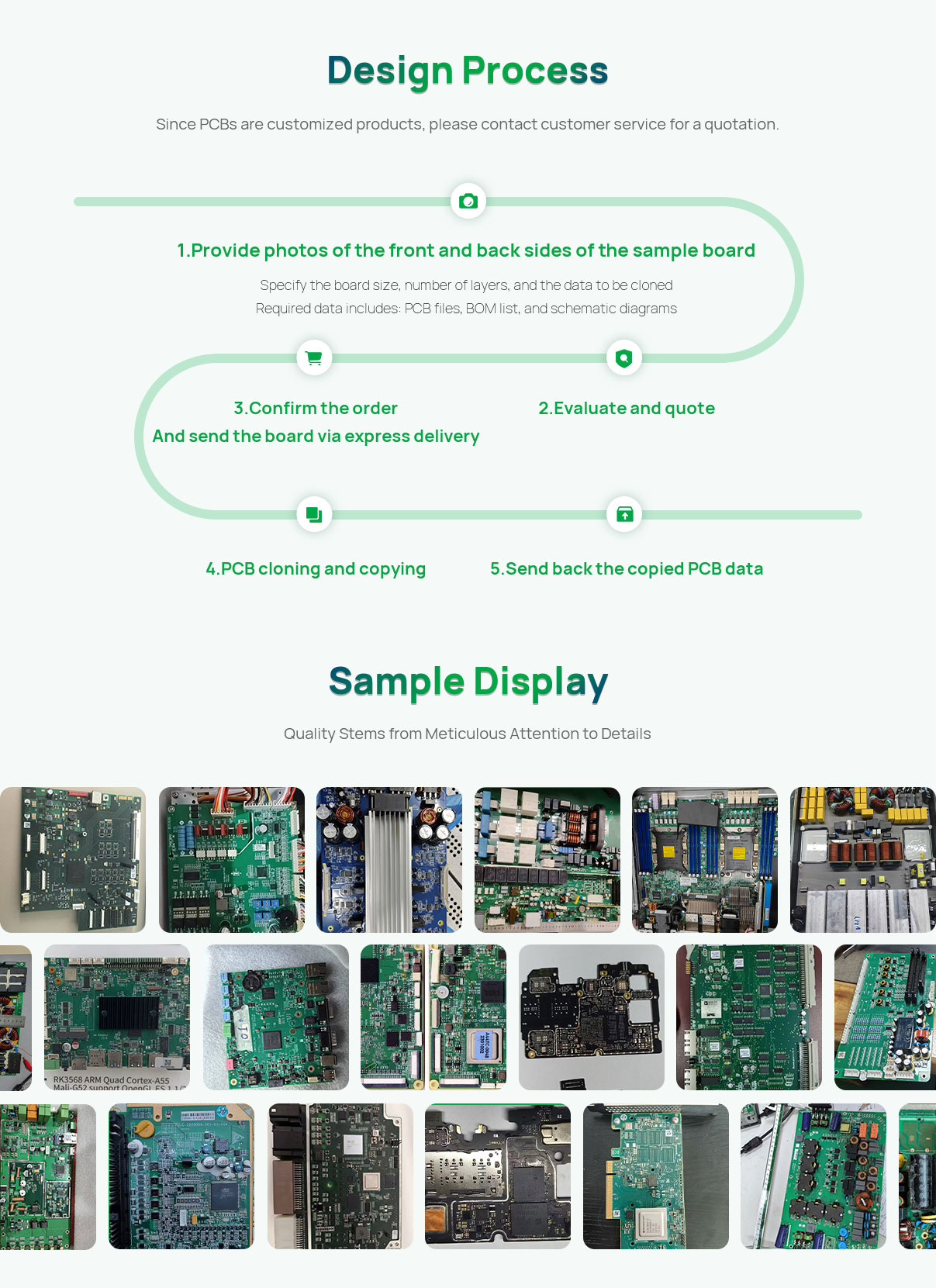
PCB (Printed Circuit Board) reverse analysis is the technical process of extracting a PCB’s design information—including its schematic diagram, layer stackup, trace routing, and component footprints—from a physical board, without access to original design files. Unlike PCBA teardown (which focuses on assembled components), PCB reverse analysis centers on the bare board’s structure. The process typically starts with image capture: high-resolution cameras or 3D scanners record the PCB’s top and bottom layers, while specialized software stitches these images into a digital model.
Next, technicians use tools like multimeters or circuit tracers to map trace connections between pads, identifying series/parallel relationships and voltage nodes. For multi-layer PCBs, techniques such as chemical etching (removing outer layers to expose inner traces) or X-ray tomography (visualizing layers without destruction) are used to decode the stackup (e.g., number of layers, dielectric material thickness). Once traces are mapped, software converts this data into a editable schematic and PCB layout file (e.g., Gerber format). This analysis is vital for reproducing legacy PCBs (when original designs are lost), modifying boards for custom applications (e.g., adding new ports), or verifying compliance with industry standards (such as IPC-2221 for trace width). Challenges include dealing with blind/buried vias (which obscure trace paths) and encrypted components (which hide pin functions), requiring advanced tools and cross-referencing with component datasheets.

Email: 1330695973@qq.com
Factory: Room 703, Kelunte R&D Building, No. 1 Ganli 5th Road, Jihua Street, Longgang District, Shenzhen City