CN
-
Service Hotline
15766086363


Release Date:Dec 11, 2025
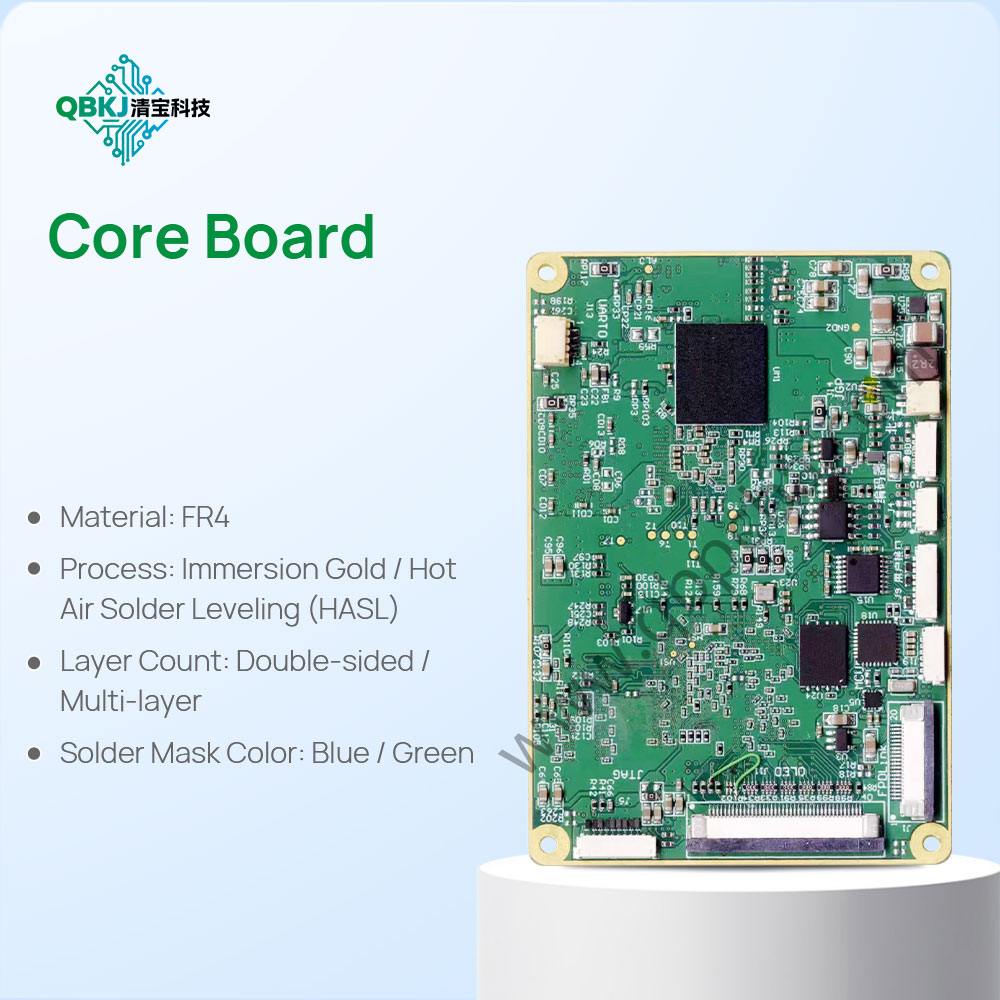
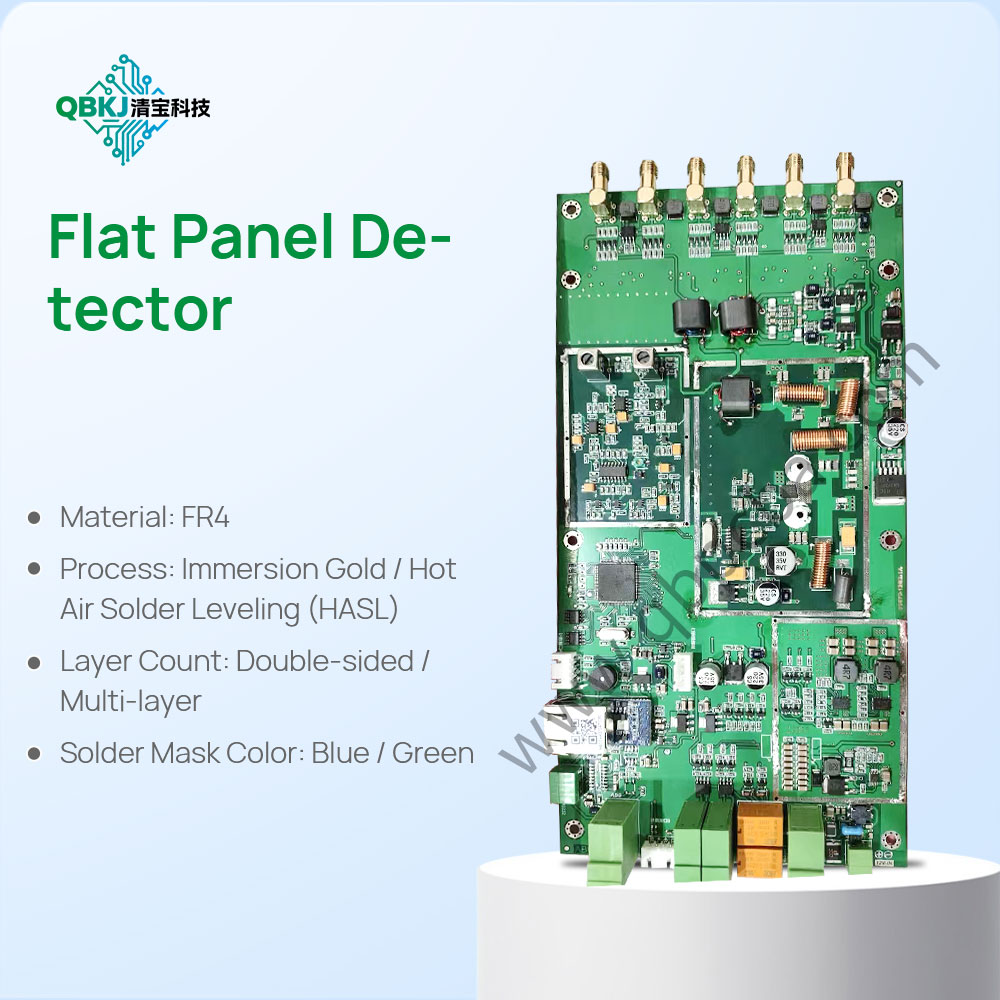
PCBA Copy with Firmware is an advanced service that replicates not just the physical PCBA, but also the firmware (the low-level software embedded in the PCBA’s microcontrollers, FPGAs, or memory chips). Firmware is critical for PCBA functionality—controlling hardware operations (e.g., sensor reading, motor control)—so omitting it would result in a non-functional clone. This service is essential for PCBs in devices like industrial controllers, medical monitors, or consumer electronics (e.g., smart appliances).
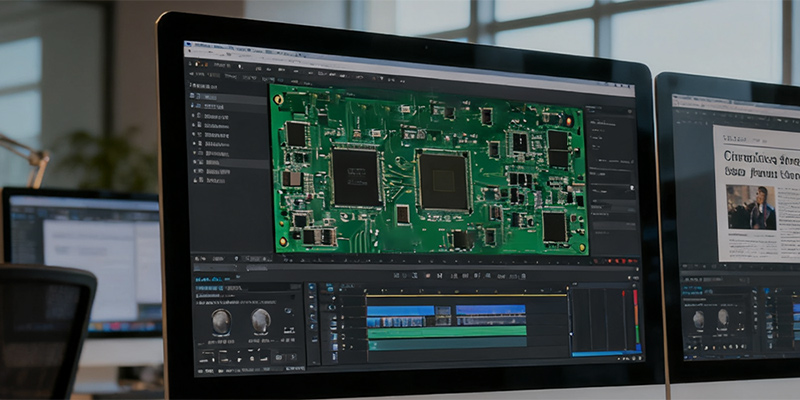
The workflow combines standard PCBA copy with firmware extraction and replication: first, engineers identify firmware-storing components (e.g., EEPROMs, flash memory chips) on the original PCBA. Using specialized tools (e.g., in-circuit programmers, chip readers), they extract the firmware binary file—ensuring no data corruption by verifying checksums. If the firmware is encrypted (common in proprietary devices), providers may offer decryption services (where legally permitted, with client proof of IP ownership) to access the binary.
Next, the extracted firmware is validated: it is loaded onto a compatible chip, tested with the cloned PCBA prototype to confirm it controls hardware correctly (e.g., a motor controller’s firmware driving a motor at the right speed). Engineers also check for firmware-version compatibility, ensuring the cloned PCBA uses the same firmware revision as the original to avoid functionality gaps.
Key benefits include full functionality (firmware + hardware clone = operational PCBA) and legacy support (recovering firmware from obsolete chips). Choose providers with firmware extraction expertise, encryption knowledge (where legal), and rigorous firmware validation processes to avoid runtime errors.

Email: 1330695973@qq.com
Factory: Room 703, Kelunte R&D Building, No. 1 Ganli 5th Road, Jihua Street, Longgang District, Shenzhen City