CN
-
Service Hotline
15766086363


Release Date:Aug 13, 2026
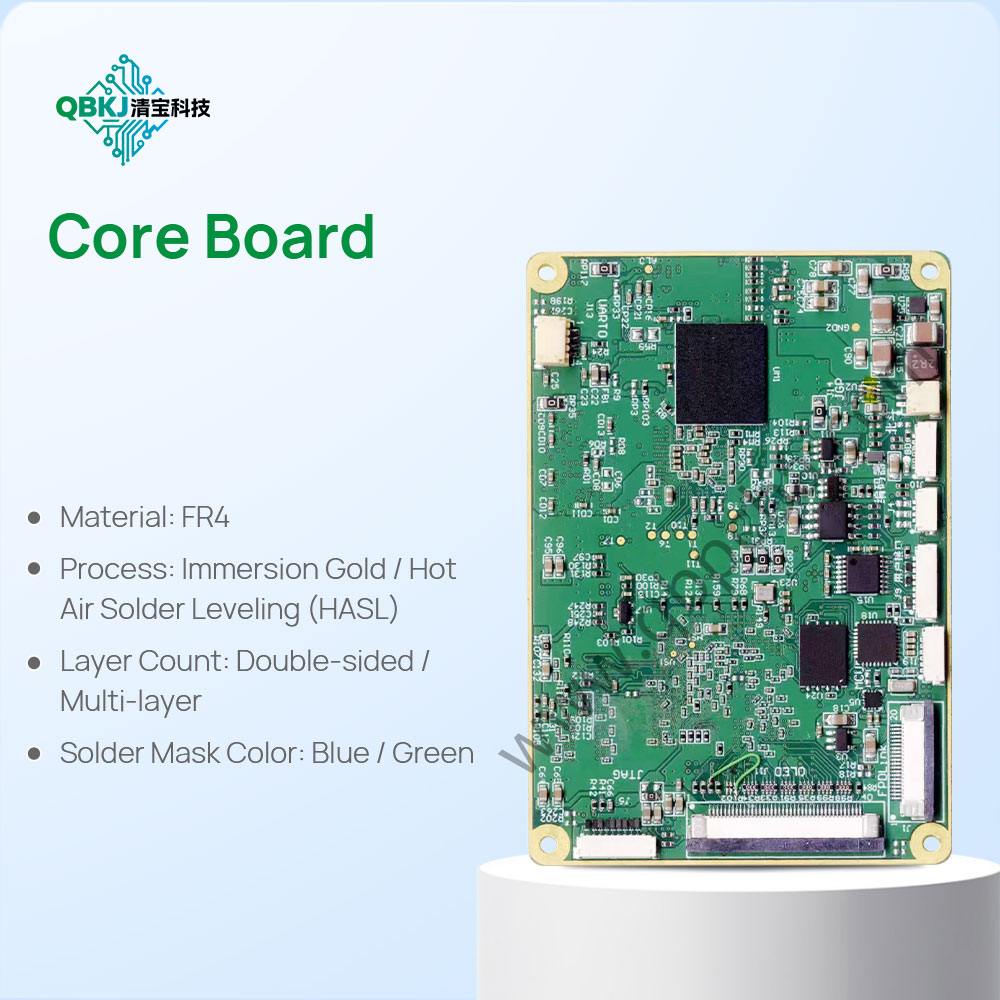
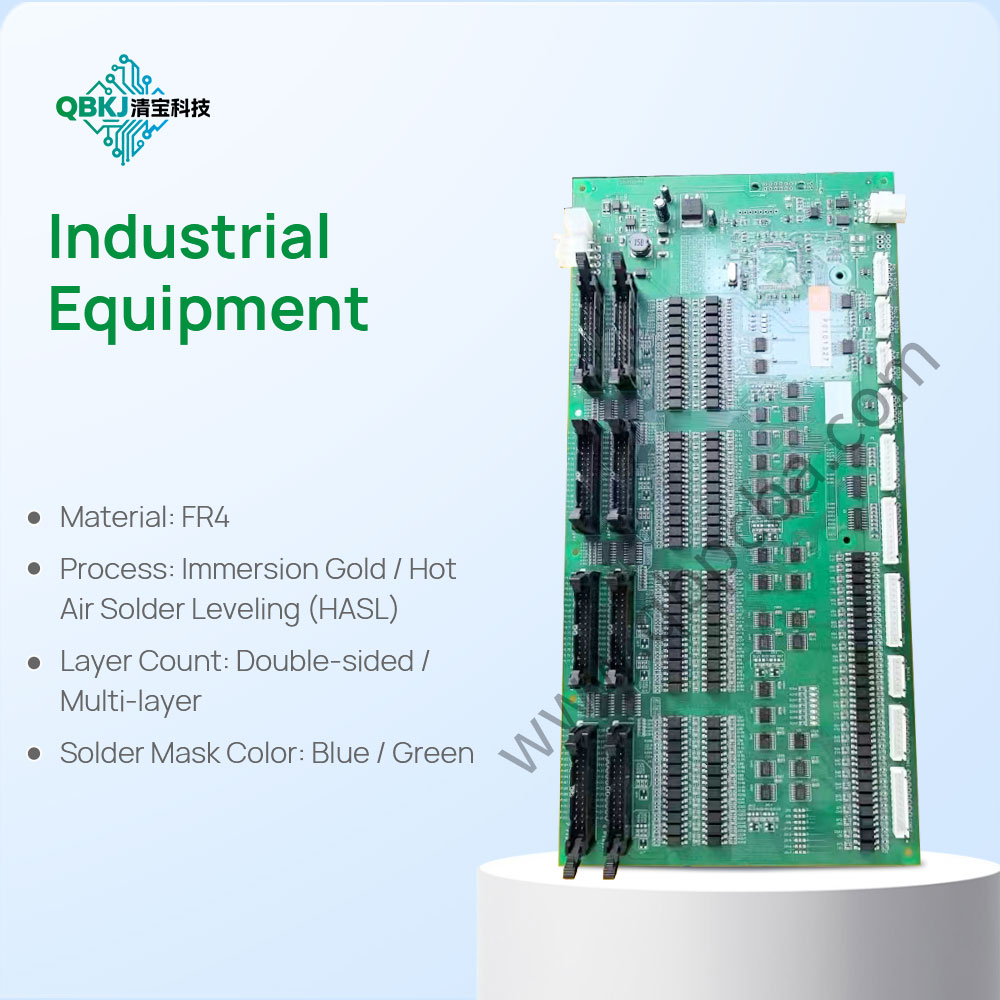
Rigid PCB clone is the most widely used and basic reverse cloning technology in the PCB industry, targeting rigid printed circuit boards made of rigid insulating substrates such as FR-4, CEM-1 and CEM-3. Rigid PCBs have the characteristics of fixed shape, high structural hardness, strong mechanical stability and good electrical insulation, and are widely used in household appliances, industrial control equipment, power electronics, automotive electronics, communication base station equipment and other fields. Rigid PCB clone realizes the full copy of the original rigid board’s circuit layout, structural size, process standards and electrical performance through professional reverse scanning, data restoration and standardized manufacturing processes, and is the foundation of various high-end PCB cloning technologies.
The technical process of rigid PCB clone is standardized and systematic, including original board detection, data scanning, circuit restoration, file optimization, manufacturing and finished product testing. In the initial stage, the original rigid PCB is cleaned and detected to remove surface solder paste, dust and protective paint, and check the board thickness, substrate material, copper foil thickness, number of layers and structural size of the original board. For multi-layer rigid boards, X-ray layered scanning technology is used to accurately capture the circuit distribution of each inner layer, avoid missing or wrong scanning of hidden circuits, and record the position parameters of all pads, vias, component holes and mounting holes.
In the circuit data restoration stage, professional PCB reverse engineering software is used to convert the scanned point cloud data into standard PCB design files, including schematic diagram, PCB layout diagram, solder mask layer, silk screen layer and mechanical layer. Engineers will sort out the circuit network, verify the connectivity of each circuit node, correct the errors of automatic scanning such as line breakage, short circuit and offset pad, and ensure that the circuit logic of the cloned file is completely consistent with the original board. At the same time, combined with the application environment of the rigid board, the process parameters are optimized, such as adjusting the solder mask thickness, surface treatment process (tin spraying, gold plating, silver plating) and hole wall copper thickness, to match the original board’s anti-oxidation, anti-corrosion and electrical conduction performance.
The manufacturing process of rigid PCB clone follows industrial standard production specifications. According to the restored design file, the processes of material cutting, inner layer etching, lamination, drilling, electroplating, outer layer etching, solder mask printing, silk screen printing and surface treatment are completed in turn. In the production process, the mechanical strength and dimensional accuracy of the rigid board are strictly controlled to ensure that the board flatness, hole position accuracy and overall size are consistent with the original board. For power rigid boards with high current and high voltage resistance, the copper thickness and line spacing are strictly controlled to meet the requirements of high current conduction and electrical safety isolation.
After the completion of production, the finished rigid PCB will undergo comprehensive performance testing, including appearance inspection, dimensional measurement, circuit connectivity test, insulation resistance test, voltage resistance test and aging test. Rigid PCB clone has the advantages of low technical threshold, high yield and short cycle, which can help electronic manufacturing enterprises quickly copy mature rigid circuit board products, reduce product research and development costs, and quickly occupy the market. At the same time, on the basis of accurate cloning, enterprises can also carry out secondary optimization and modification of the circuit according to product upgrading needs, realizing iterative upgrading of products, which has extremely high practical value in the traditional electronic manufacturing and industrial control fields.

Email: 15361682656@163.com
Factory: Room 703, Kelunte R&D Building, No. 1 Ganli 5th Road, Jihua Street, Longgang District, Shenzhen City