CN
-
Service Hotline
15766086363


Release Date:Mar 19, 2026
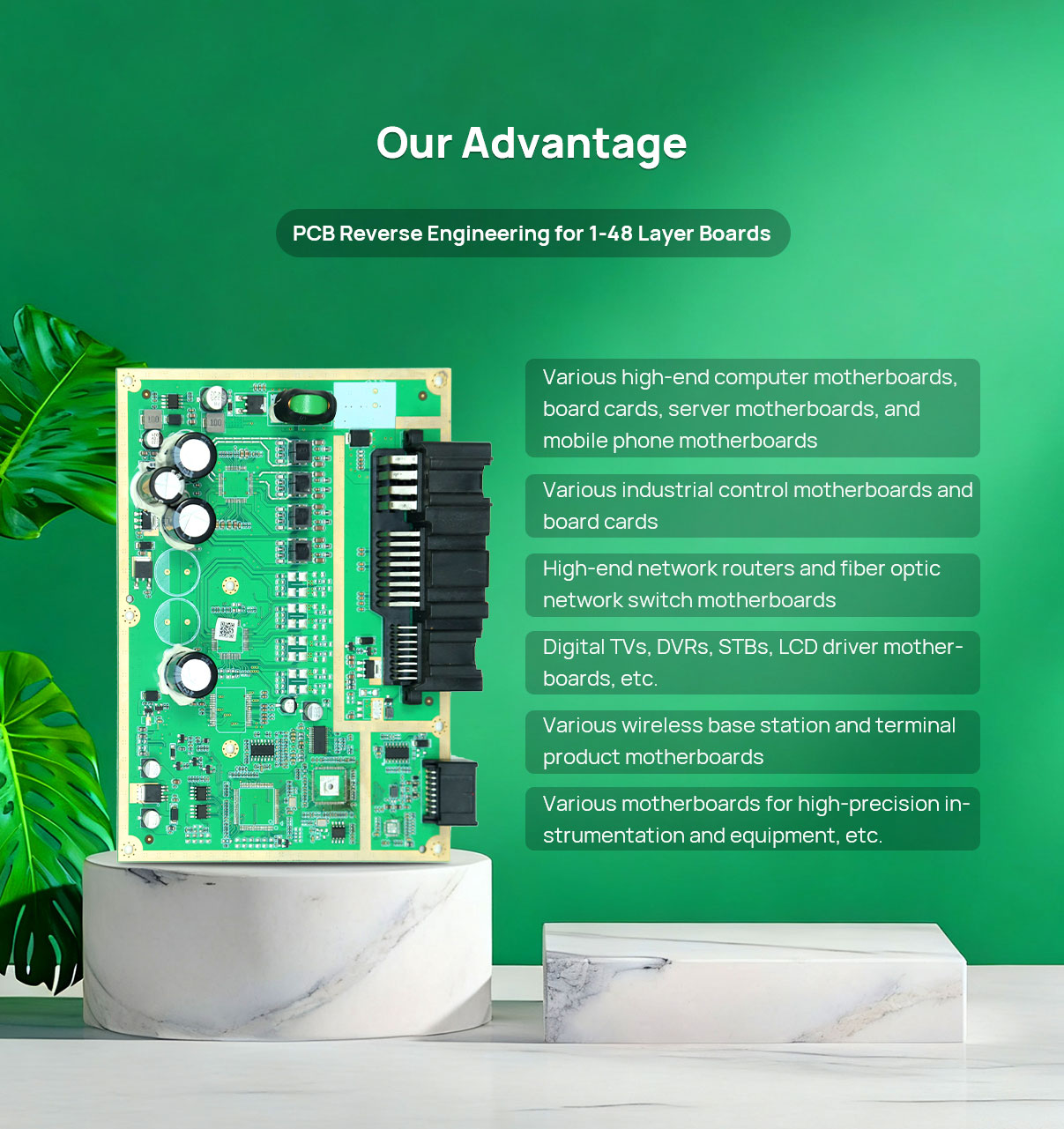
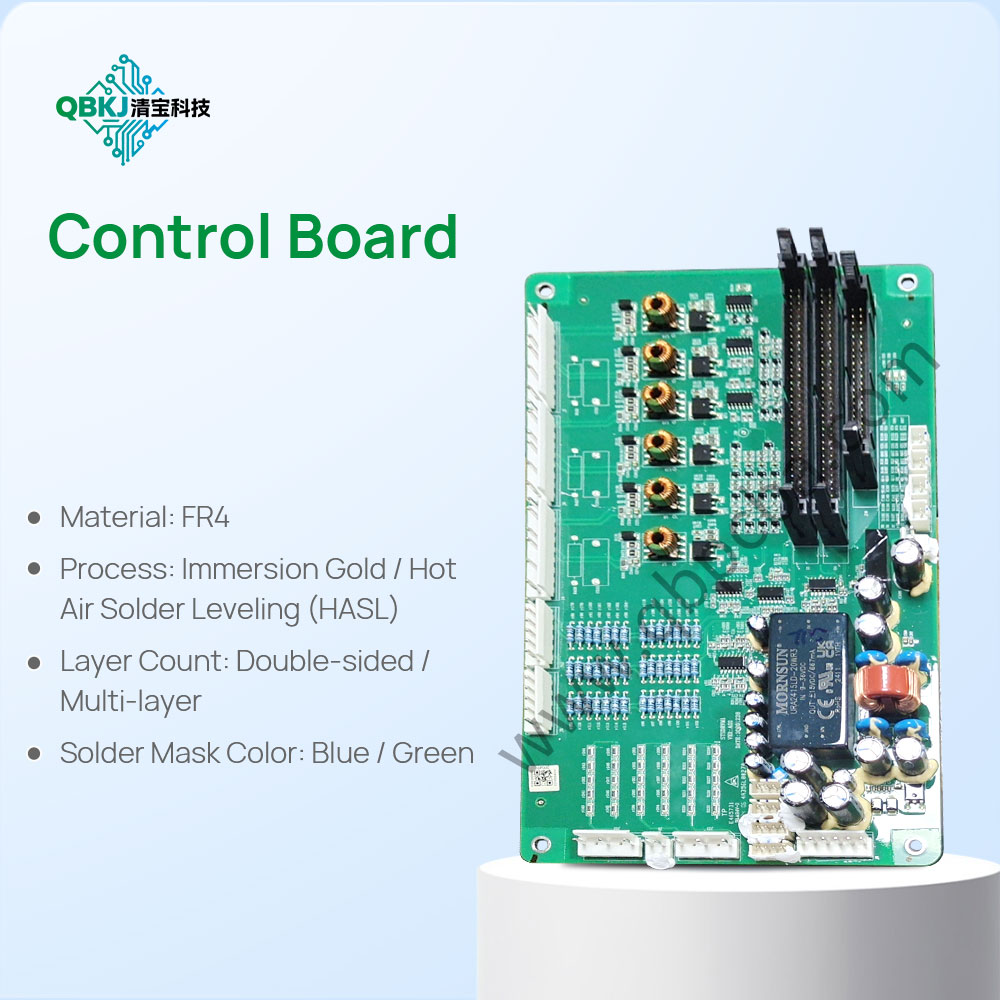
PCBA assembly copy is the process of replicating the physical and functional assembly of an original printed circuit board assembly, ensuring the cloned version matches in component placement, soldering quality, and operational performance. The process starts with detailed reverse engineering of the original PCBA: using high-magnification cameras and X-ray equipment to document the exact position (X, Y, Z coordinates) and orientation of every component (e.g., resistors, capacitors, ICs, connectors). This data is used to create a precise assembly map, which includes component polarity (critical for diodes and electrolytic capacitors) and solder joint specifications (e.g., solder volume, fillet shape).
Component sourcing is a critical step: identical components—matching the original’s part number, manufacturer, and specifications (e.g., voltage rating, capacitance, package type)—are procured to avoid performance discrepancies. Counterfeit components are rigorously avoided through supplier verification and component authentication testing (e.g., checking for correct markings, measuring electrical properties).
Assembly begins with PCB preparation: ensuring the cloned PCBs (produced via PCB copy) meet the original’s dimensional and electrical standards. Automated pick-and-place machines are programmed using the assembly map to place components accurately, with vision systems verifying each placement before soldering. Soldering is performed using reflow ovens with temperature profiles tailored to the original PCBA’s solder type (e.g., lead-free vs. leaded) and component thermal requirements, ensuring strong, reliable solder joints that match the original’s durability.
Post-assembly, a series of inspections and tests validate the copy: visual inspection (manual or AOI) checks for correct component placement and soldering defects; electrical testing (continuity, insulation resistance) verifies connections; and functional testing simulates real-world use to confirm the cloned assembly performs identically to the original. Environmental testing (e.g., thermal shock, humidity) may also be conducted to ensure the assembly copy withstands the same operating conditions as the original. By prioritizing precision in reverse engineering, component authenticity, and rigorous testing, PCBA assembly copy delivers a faithful, high-performance replica.

Email: 15361682656@163.com
Factory: Room 703, Kelunte R&D Building, No. 1 Ganli 5th Road, Jihua Street, Longgang District, Shenzhen City