CN
-
Service Hotline
15766086363


Release Date:Mar 17, 2026
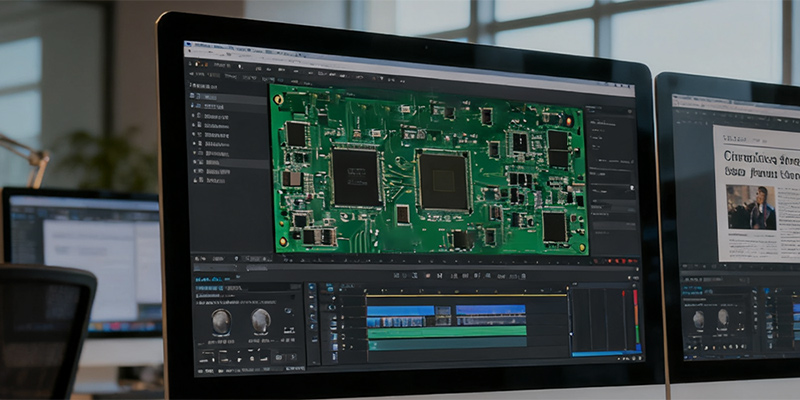
PCBA clone batch production involves manufacturing multiple identical cloned printed circuit board assemblies efficiently while maintaining consistent quality to match the original. The process starts with pre-production preparation, where the validated BOM, Gerber files, and assembly guidelines from the prototype stage are standardized for batch use. This includes confirming component availability in bulk—working with trusted suppliers to secure sufficient quantities of authentic parts, avoiding delays caused by material shortages. Production lines are then configured for high-volume assembly, with automated pick-and-place machines programmed to accurately place components (such as resistors, ICs, and connectors) onto PCBs at high speeds (often hundreds of components per minute).
Soldering is executed using reflow ovens with temperature profiles calibrated to the original PCBA’s solder type, ensuring strong, reliable joints across all units. Post-soldering, a streamlined testing workflow is critical: automated optical inspection (AOI) systems quickly scan each PCBA for soldering defects (e.g., bridges, cold joints), while in-circuit test (ICT) fixtures simultaneously check multiple units for electrical continuity and component functionality. Functional testing is often automated too, using custom test stations that simulate real-world operations to validate performance consistency.
To manage batch traceability, each PCBA is assigned a unique identifier, linking it to production data (e.g., component batches, soldering parameters, test results). This allows for rapid recall or correction if issues arise. Quality sampling is also implemented—randomly selecting units from each batch for detailed environmental testing (e.g., temperature cycling, vibration) to ensure durability matches the original. By balancing automation, strict quality checks, and traceability, PCBA clone batch production delivers consistent, reliable units at scale.

Email: 15361682656@163.com
Factory: Room 703, Kelunte R&D Building, No. 1 Ganli 5th Road, Jihua Street, Longgang District, Shenzhen City