CN
-
Service Hotline
15766086363


Release Date:Mar 23, 2026
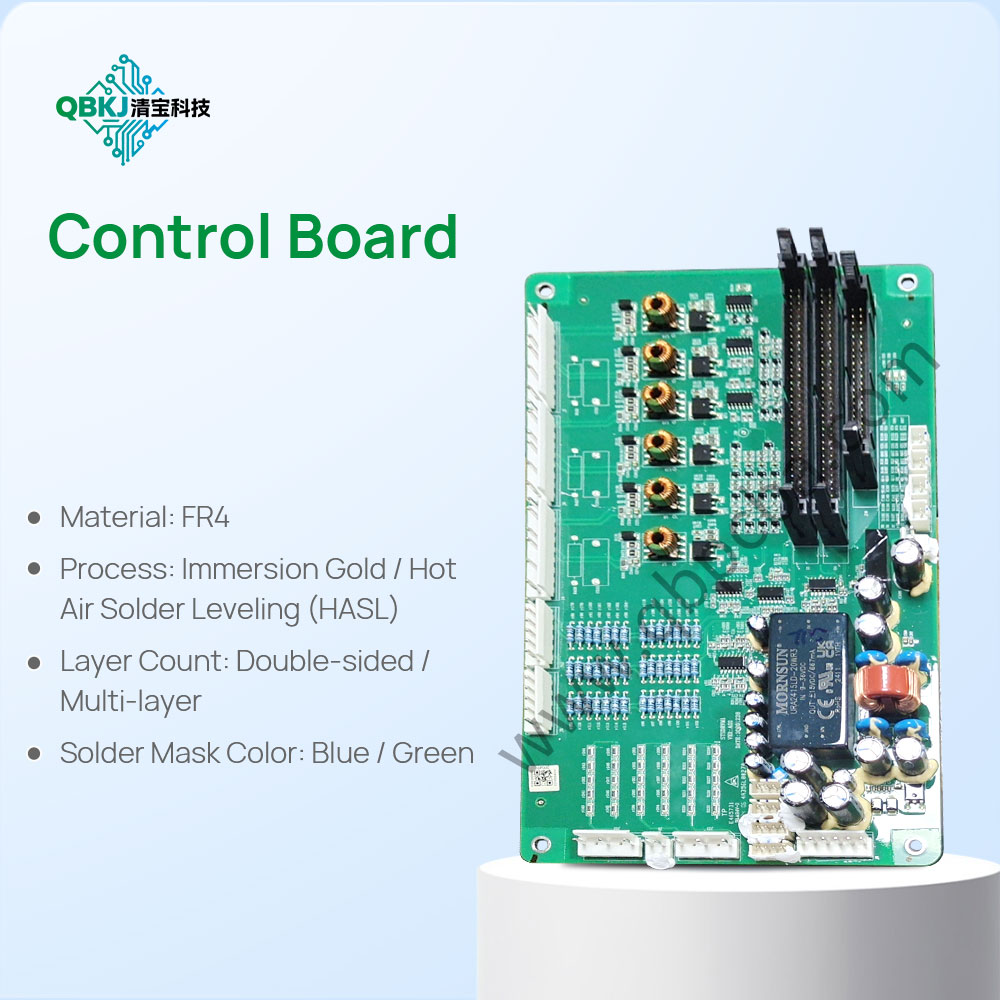
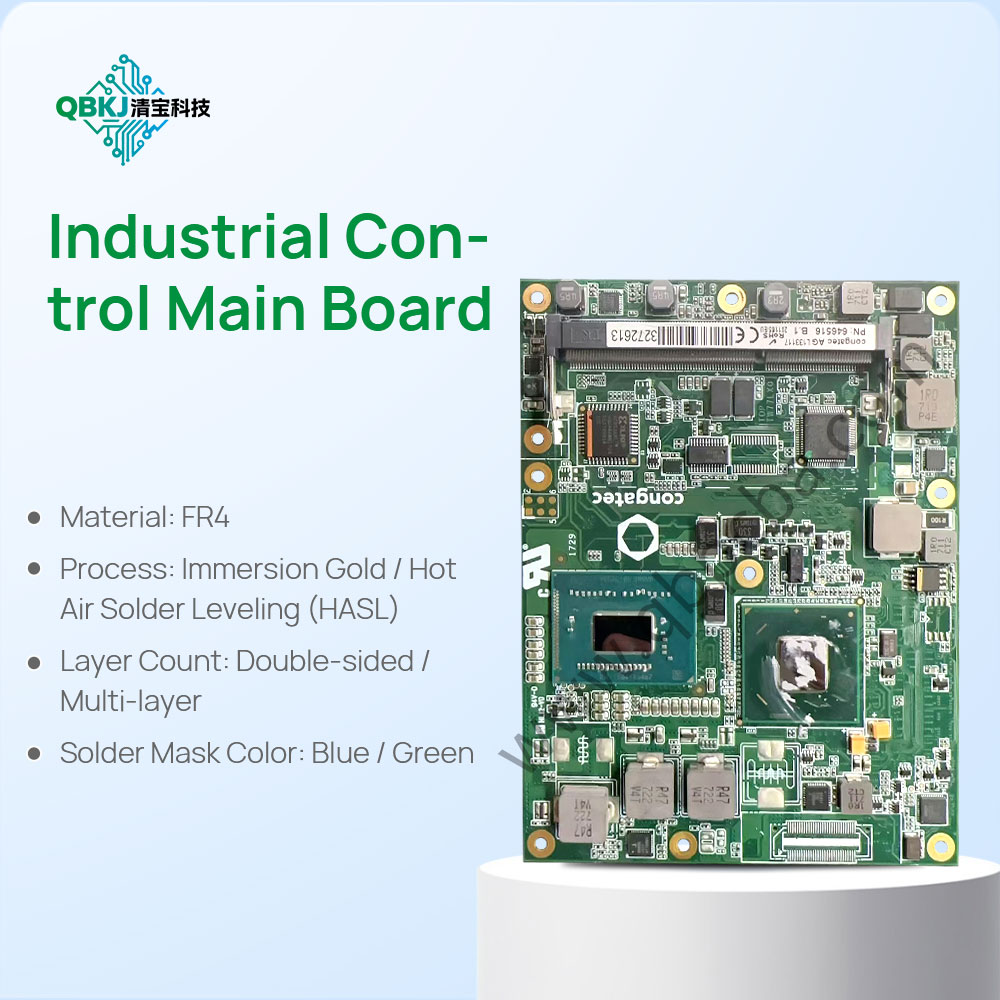
PCBA (Printed Circuit Board Assembly) circuit board processing manufacturers are the core pillars of the global electronics industry, providing comprehensive assembly services that bridge the gap between raw PCB fabrication and functional electronic products. These manufacturers integrate cutting-edge technology, strict quality control systems, and professional engineering teams to deliver customized solutions for a wide range of industries, including consumer electronics, industrial control, medical devices, automotive electronics, and aerospace. A reliable PCBA processing manufacturer is not just a service provider but a strategic partner that helps clients turn design concepts into tangible, high-performance products.
The core capabilities of a professional PCBA processing manufacturer cover the entire assembly workflow, starting from PCB fabrication, component sourcing, surface mount technology (SMT), through-hole assembly (THT), soldering, testing, and final packaging. Advanced manufacturers are equipped with state-of-the-art production equipment, such as high-speed SMT placement machines, automatic solder paste printers, AOI (Automated Optical Inspection) systems, X-ray inspection machines, and reflow ovens, ensuring precision and efficiency in every production step. For example, leading manufacturers may have Yamaha YS series high-speed SMT production lines, fully automatic printing machines, and multiple AOI detectors to achieve high-volume and high-precision assembly. These equipment investments enable them to handle complex PCB designs, including multi-layer boards (up to 32 layers), flexible PCBs, and rigid-flex PCBs, meeting the diverse needs of different industries.
Quality control is a top priority for reputable PCBA processing manufacturers. They implement strict quality management systems, complying with international standards such as ISO 9001, ISO 13485 (for medical devices), and IPC-A-610 (the industry standard for PCBA acceptance). The quality control process starts from incoming material inspection (IQC), where all components and PCBs are tested for authenticity and performance, to in-process inspection (IPQC) during assembly, and final inspection (FQC) before delivery. Many manufacturers also adopt ERP system management to ensure material traceability and minimize material loss, while maintaining complete records of all production processes for future audits or quality追溯. This rigorous quality control ensures that each PCBA product meets the highest standards of reliability and stability.
In addition to core assembly services, top PCBA processing manufacturers offer value-added services to enhance customer experience and support project success. These services include DFM (Design for Manufacturability) analysis, which helps clients optimize their PCB designs to reduce production costs, improve yield rates, and shorten lead times. Component sourcing is another key value-added service; leveraging long-term partnerships with global component suppliers, manufacturers can secure high-quality components at competitive prices, even during supply chain shortages, and ensure timely delivery. Some manufacturers also provide one-stop turnkey services, covering PCB fabrication, PCBA assembly, component purchasing, testing, and final product assembly (box building), allowing clients to focus on product design and market promotion without worrying about the manufacturing process.
The competitive advantage of PCBA processing manufacturers lies in their ability to adapt to the rapidly evolving electronics industry. With the rise of smart devices, IoT (Internet of Things), and renewable energy, the demand for miniaturized, high-performance, and reliable PCBA products is growing. Manufacturers that invest in R&D, adopt new technologies (such as 5G-compatible PCBA assembly and high-density interconnect (HDI) technology), and expand their service scope are better positioned to meet these emerging needs. For example, some manufacturers have established comprehensive R&D teams with experienced engineers to develop customized solutions for complex projects, from prototype development to mass production. They also focus on environmental sustainability, adopting lead-free soldering processes and eco-friendly materials to comply with global environmental regulations such as RoHS.
When choosing a PCBA processing manufacturer, clients should consider several key factors: production capacity, quality control standards, technical capabilities, lead times, pricing, and after-sales service. A manufacturer with sufficient production capacity can handle both small-batch prototyping and large-volume mass production, ensuring scalability as the client’s business grows. Technical capabilities, including the ability to process complex PCBs and integrate advanced components, are crucial for projects with high technical requirements. Lead times are also important, especially for clients in fast-paced industries, as timely delivery can significantly impact market launch schedules. Finally, reliable after-sales service, including technical support and product warranty, ensures that any issues are resolved quickly, minimizing downtime for the client.
In summary, PCBA circuit board processing manufacturers play an indispensable role in the electronics industry, providing end-to-end assembly services that enable the development and production of a wide range of electronic products. By combining advanced equipment, strict quality control, value-added services, and adaptability to industry trends, these manufacturers help clients achieve their product goals efficiently and cost-effectively. Whether for small-scale prototyping or large-scale mass production, partnering with a professional and reliable PCBA processing manufacturer is essential for success in today’s competitive electronics market.

Email: 15361682656@163.com
Factory: Room 703, Kelunte R&D Building, No. 1 Ganli 5th Road, Jihua Street, Longgang District, Shenzhen City