CN
-
Service Hotline
15766086363


Release Date:Nov 05, 2026
A medical device PCB clone service is a highly controlled engineering service for authorized reproduction, repair, or replacement of circuit boards used in medical equipment. Medical PCBs are found in patient monitors, infusion pumps, diagnostic instruments, imaging systems, laboratory analyzers, dental equipment, and surgical devices. Because these boards directly affect patient safety and clinical outcomes, the cloning process must follow strict quality management principles. Unlike consumer electronics, medical device PCB reverse engineering requires traceability, validation, risk management, and compliance with regulations such as ISO 13485, IEC 60601, FDA requirements, and European MDR. The purpose of this service is not to copy protected designs unlawfully, but to help manufacturers, hospitals, and service providers maintain critical medical equipment when original boards are unavailable, obsolete, or difficult to source.
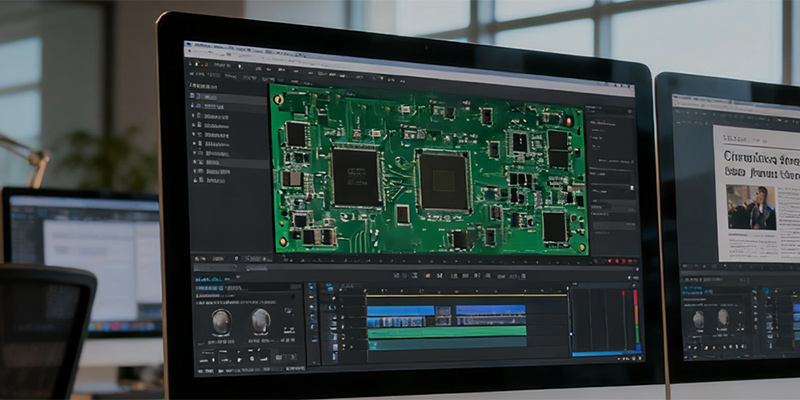
The medical device PCB clone process begins with documented authorization and a quality plan. Engineers inspect the board, record revision levels, identify safetycritical components, and analyze power, analog, digital, and communication sections. Highresolution imaging and, if necessary, layer delayering are used to reconstruct the PCB structure. The team extracts the schematic, netlist, and bill of materials, paying special attention to isolation barriers, patientconnected circuits, sensors, amplifiers, and redundant safety paths. If firmware or programmable logic is involved, the project must respect copyright and licensing; the customer may need to supply legally obtained binary files or authorize a cleanroom reimplementation. The output typically includes schematics, layout files, Gerber data, assembly drawings, component specifications, and a validation protocol. Prototypes are built and tested under controlled conditions.
Medical PCBs present unique challenges. They often handle lowlevel biological signals, highimpedance sensors, and precision analog measurements, so noise, leakage, and drift must be minimized. Patient isolation, defibrillation protection, and electromagnetic compatibility are critical. Many devices require redundant safety circuits, watchdog timers, and failsafe behavior. Materials may need to be biocompatible or resistant to repeated cleaning and sterilization. Thermal management must avoid hot spots that could affect patient contact surfaces. Regulatory documentation must show that the replacement board does not compromise safety or effectiveness. Even a small change in component tolerance or layout parasitics can affect measurement accuracy. Therefore, medical device PCB clone services require experienced engineers, rigorous change control, and close cooperation with the customer’s regulatory and quality teams.
Quality assurance and legal compliance are mandatory in medical PCB cloning. The service provider should maintain an ISO 13485compatible quality system, use traceable components, and perform functional testing, safety testing, and reliability testing. Validation may include bench testing, simulated patient signals, environmental stress, and software verification if applicable. All changes must be documented in a design history file. The customer remains responsible for final regulatory submissions and clinical risk assessment. Unauthorized copying of patented or copyrighted medical designs is prohibited. When used properly, a medical device PCB clone service can help extend the life of lifesaving equipment, support obsolete devices, and provide safe replacement boards for hospitals and manufacturers. It must always prioritize patient safety, regulatory compliance, and ethical engineering over speed or cost.

Email: 15361682656@163.com
Factory: Room 703, Kelunte R&D Building, No. 1 Ganli 5th Road, Jihua Street, Longgang District, Shenzhen City