CN
-
Service Hotline
15766086363


Release Date:Nov 06, 2026
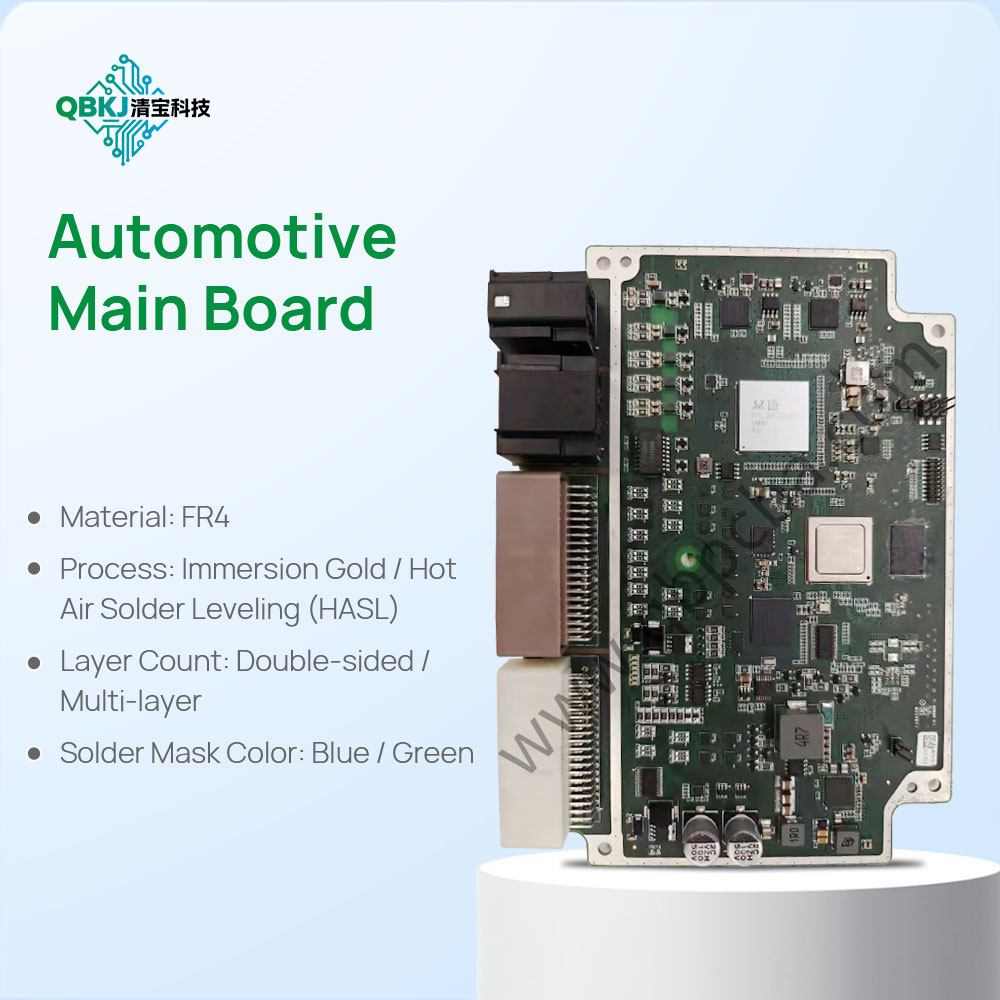
An automotive PCB clone circuit duplication service is an authorized engineering service for reproducing, repairing, or replacing electronic control boards used in vehicles. Automotive PCBs are found in engine control units, transmission controllers, body control modules, infotainment systems, lighting modules, battery management systems, ADAS sensors, and electric vehicle power electronics. These boards must operate under extreme conditions, including vibration, temperature cycling, humidity, electromagnetic interference, and long service life. When original boards become obsolete or unavailable, a professional clone service can help manufacturers, repair shops, and restoration specialists recreate a functional replacement. The service must respect intellectual property and should only be used with proper authorization. It is not a shortcut for counterfeiting branded products or bypassing vehicle safety systems.
The automotive PCB clone process starts with detailed documentation and customer authorization. Engineers inspect the board, record part numbers, connectors, and revision levels, and identify major functional blocks such as power supply, microcontroller, CAN transceiver, sensor interface, memory, and actuator drivers. Highresolution imaging and layer delayering may be used to recover internal traces and ground planes. The team then extracts the schematic, netlist, and bill of materials. Components are identified according to automotive specifications, including AECQ100, AECQ101, and AECQ200 where applicable. If firmware or calibration data is involved, the project must comply with copyright and cybersecurity requirements; the customer must provide legally obtained files or authorize a compatible hardware solution. The output includes schematics, PCB layout files, Gerber data, assembly drawings, and a validation plan. Prototypes are assembled and tested.
Automotive PCBs are challenging because reliability and safety are paramount. They must withstand wide temperature swings, vibration, thermal shock, and exposure to moisture and chemicals. EMI and EMC performance is critical because many systems share the vehicle network. CAN, LIN, FlexRay, and automotive Ethernet require strict signal integrity. Power supplies must handle load dump, reverse polarity, and voltage transients. Safetycritical functions may require redundancy, diagnostics, and failsafe behavior. If the board is part of an ADAS or powertrain system, functional safety standards such as ISO 26262 may apply. The reverseengineering team must also consider cybersecurity, especially if the board contains secure elements, encrypted firmware, or authentication chips. A successful automotive PCB clone must therefore meet strict electrical, thermal, and environmental requirements.
Testing and compliance are essential for automotive PCB cloning. The cloned board should undergo functional testing, environmental stress testing, vibration testing, thermal cycling, and EMC precompliance testing. It may need to be validated on a vehicle network or hardwareintheloop simulator. Documentation must include test reports, component traceability, and revision control. The service provider should follow applicable automotive quality standards such as IATF 16949 where relevant. Legal authorization is mandatory; copying proprietary automotive designs without permission can violate copyright, patent, and trade secret laws. When performed ethically, an automotive PCB clone circuit duplication service can help extend the life of legacy vehicles, support restoration projects, and provide replacement boards for obsolete electronic modules. It must always prioritize safety, reliability, and compliance over cost or speed.

Email: 15361682656@163.com
Factory: Room 703, Kelunte R&D Building, No. 1 Ganli 5th Road, Jihua Street, Longgang District, Shenzhen City