CN
-
Service Hotline
15766086363


Release Date:Jan 21, 2026
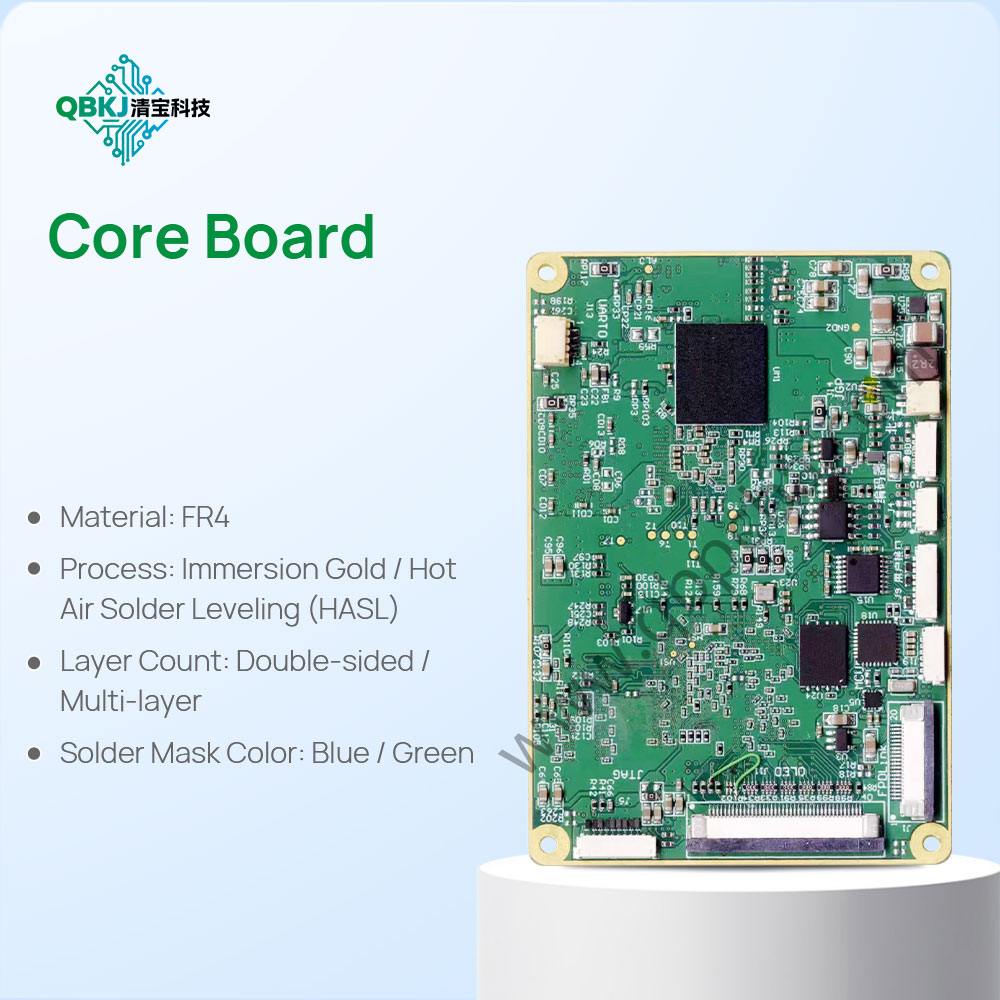
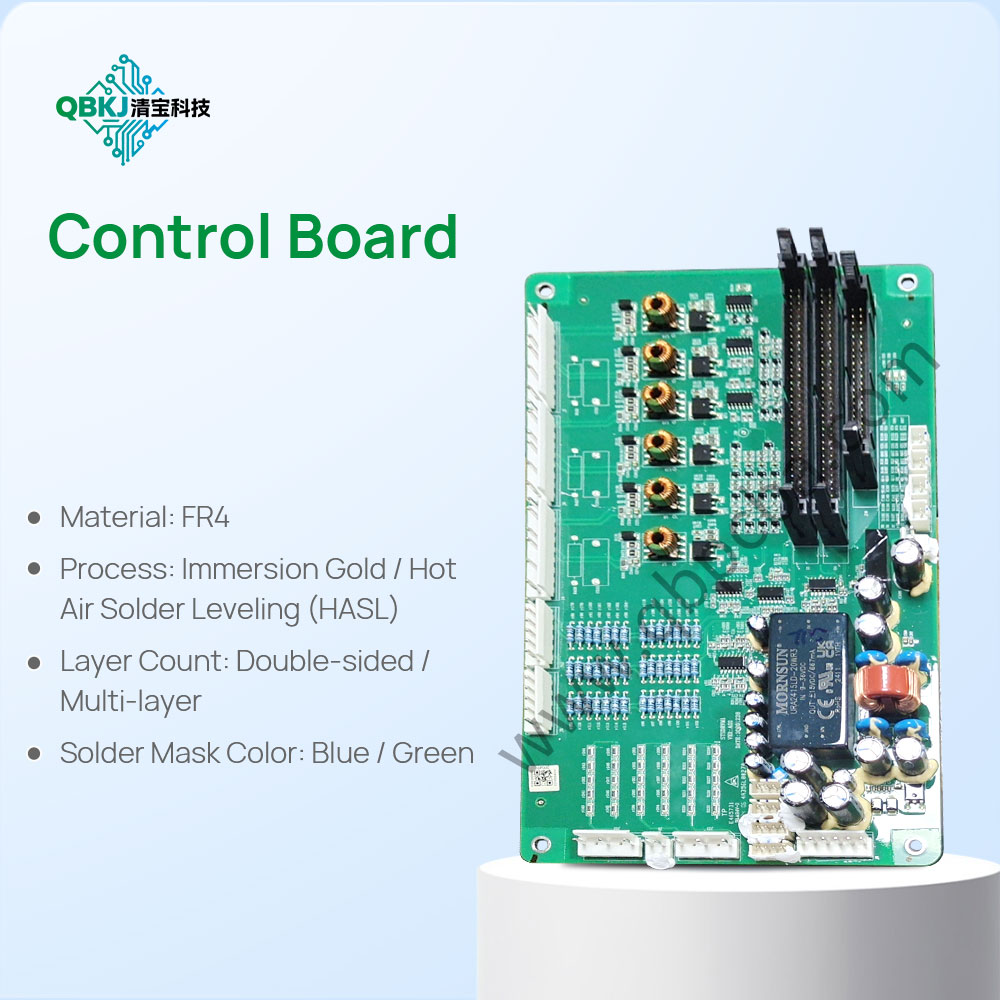
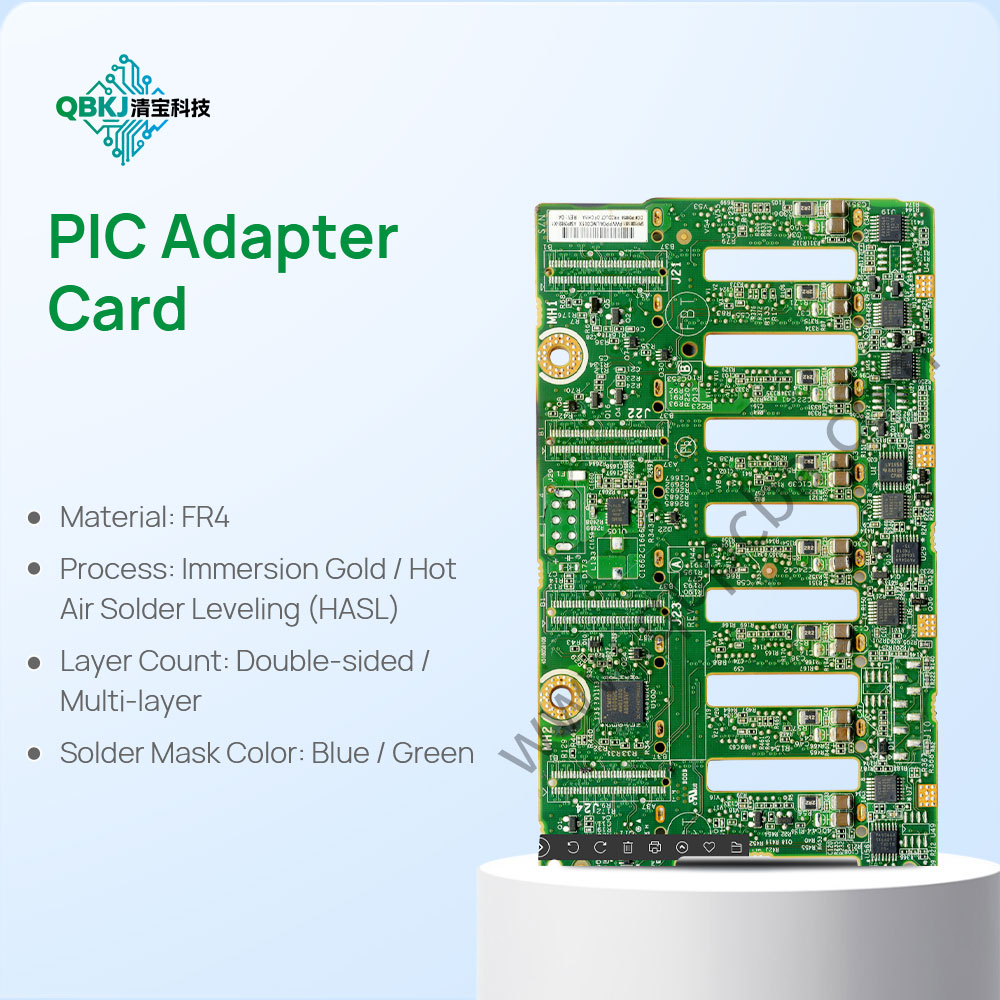
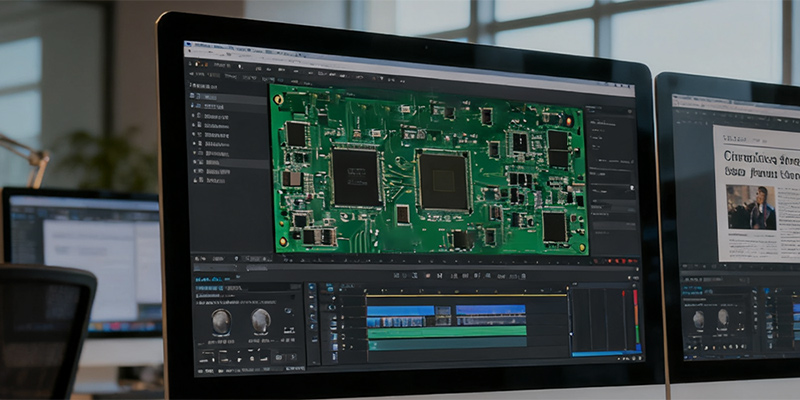
Reverse PCBA copy is the end-to-end process of creating an exact physical duplicate of a fully assembled Printed Circuit Board Assembly (PCBA)—combining reverse PCB copy (for the bare board) with component sourcing, assembly, and firmware replication to match the original’s functionality, appearance, and performance. This process is used when a client needs a direct replacement for a faulty or obsolete PCBA, as it delivers a “drop-in” substitute that requires no modifications to existing systems.
The process starts with comprehensive reverse engineering: both the bare PCB (to extract layout data) and its components (to identify part numbers, values, and firmware) are analyzed, as detailed in “PCBA Reverse Engineering.” This ensures all design and component details are captured for accurate copying.
Next, component sourcing is critical: technicians procure parts that match the original’s specifications—preferring identical components (same part number, manufacturer) to ensure compatibility. For obsolete components, validated equivalents are used (e.g., a resistor with the same tolerance and power rating), with functional testing to confirm they perform like the original.
The copied PCB (from reverse PCB copy) is then assembled using the same methods as the original: surface-mount technology (SMT) for small components, through-hole soldering for larger parts, and reflow oven profiles calibrated to match the original’s soldering parameters. For PCBAs with embedded systems, the extracted firmware is loaded onto the microcontroller to ensure software functionality aligns with the original.
Final testing includes functional validation (e.g., a cloned industrial PCBA controlling a motor correctly), environmental testing (e.g., thermal cycling for durability), and visual inspection (matching component placement and labeling to the original). Reverse PCBA copy is widely used in sectors like medical devices (replacing critical diagnostic PCBAs) and automotive (repairing legacy control modules), as it delivers a reliable, identical replacement that minimizes downtime and system disruption.

Email: 1330695973@qq.com
Factory: Room 703, Kelunte R&D Building, No. 1 Ganli 5th Road, Jihua Street, Longgang District, Shenzhen City