CN
-
Service Hotline
15766086363


Release Date:Dec 25, 2025
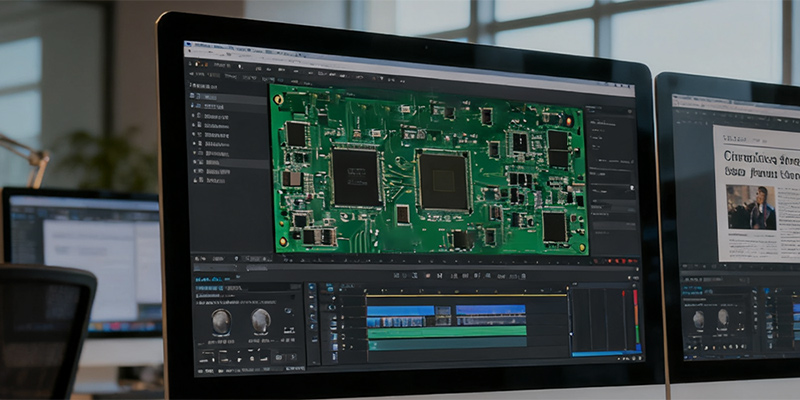
PCBA clone from sample is a process that involves creating an identical copy of a PCBA using an existing physical sample as a reference. This method is widely used in electronics manufacturing, especially when original design files (such as Gerber files, BOMs, or schematics) are unavailable—for example, when reverse-engineering legacy products, replacing obsolete PCBs, or verifying the authenticity of a competitor’s product. The process begins with a detailed inspection of the sample PCBA. Technicians use tools like digital microscopes, multimeters, and X-ray machines to examine the board’s physical structure, including the number and type of components (resistors, capacitors, microchips, etc.), their placement, solder joints, and trace layouts. Next, the components are carefully removed (if necessary) to identify their part numbers, values, and manufacturers—this information is used to create a Bill of Materials (BOM) for the cloned PCBA. The trace layout is reverse-engineered by mapping the connections between components, either manually or using specialized software that scans the board and generates a schematic. Once the schematic and BOM are finalized, Gerber files (the standard files used for PCB manufacturing) are created. The cloned PCBA is then manufactured using these files, with components sourced to match the original sample as closely as possible. Finally, the cloned PCBA undergoes rigorous testing to ensure it matches the sample’s electrical performance, functionality, and physical dimensions. Quality control checks include continuity testing, voltage testing, and functional testing to confirm that the cloned PCBA operates identically to the sample. It is important to note that PCBA cloning from a sample must comply with intellectual property laws; cloning a patented or copyrighted PCBA without permission can lead to legal consequences.

Email: 1330695973@qq.com
Factory: Room 703, Kelunte R&D Building, No. 1 Ganli 5th Road, Jihua Street, Longgang District, Shenzhen City