CN
-
Service Hotline
15766086363


Release Date:Dec 25, 2025
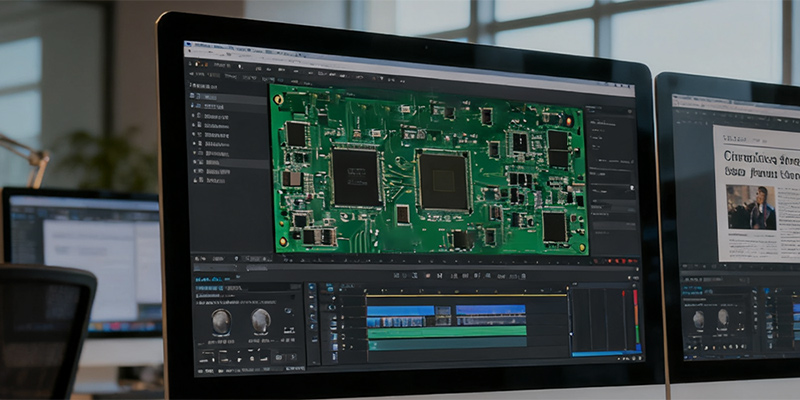
PCBA clone with firmware is a sophisticated process that goes beyond replicating the physical components of a printed circuit board assembly (PCBA). Firmware, the embedded software that controls the PCBA’s functionality, is a critical element here—without accurate replication, the cloned PCBA may not operate as intended. The process typically starts with extracting the firmware from the original PCBA, which often involves using specialized tools like programmers or debuggers to read the data stored in microcontrollers, EEPROMs, or other memory chips. Once extracted, the firmware must be analyzed to ensure it is free of encryption or protection mechanisms; if encryption exists, decryption techniques (where legally permitted) may be required. Next, the firmware is verified for integrity—any corruption or errors during extraction can render the cloned PCBA non-functional. After verification, the firmware is programmed into the corresponding memory components of the cloned PCBA. Quality control is essential here: technicians test the cloned PCBA to confirm that the firmware interacts correctly with all components, matching the original’s performance, response times, and functionality. This process is common in industries like electronics manufacturing for legacy system maintenance, where sourcing original firmware for outdated PCBs is challenging, but it must always comply with intellectual property laws to avoid legal issues.

Email: 1330695973@qq.com
Factory: Room 703, Kelunte R&D Building, No. 1 Ganli 5th Road, Jihua Street, Longgang District, Shenzhen City